

You want to maximize returns on your rental property while keeping expenses in check. These rental property cost-saving tips can help you identify where you might be losing money and how to optimize your rental property to increase rents, boost ROI, and reduce ongoing costs for better investment returns. Below is a friendly, step-by-step guide to help you get started.
Identify your financial goals
Before tackling any improvements, establish clear objectives for your rental property. Are you looking to increase net operating income (NOI)? Reduce monthly outlays? Pinpointing your ideal outcome helps you focus on the most effective cost-cutting measures.
Track your metrics
- Calculate your NOI (rent minus all operating expenses).
- Monitor your occupancy rates regularly to see if you can raise rents.
- Keep a log of all repairs, maintenance, and upgrades.
- Set a timeline to re-evaluate costs every quarter.
Reduce monthly expenses
Recurring expenses often eat away at your profits. By systematically reviewing every bill and vendor contract, you can pinpoint opportunities to pay less without sacrificing quality.
Reassess insurance policies
Insurance is essential, but you may be paying for coverage you do not need. It can be worth speaking with multiple providers and comparing quotes. Ask about:
- Bundling policies for multi-unit discounts.
- Higher deductibles if you have solid reserves.
- Loyalty discounts or perks for longtime customers.
Negotiate property management fees
If you use a property management service, negotiate the contract terms or compare competitors. Sometimes a small drop in fees translates to big savings by the end of the year. You may also consider partial management if you prefer handling certain tasks yourself, such as tenant screenings or rent collection.
Make Smarter Rental Investments & Boost Profits
 Use AI to Assess Opportunities
Compare Cap Rates & Cash Flows
Optimize Rental Income
Use AI to Assess Opportunities
Compare Cap Rates & Cash Flows
Optimize Rental Income
RentalOptimizer.com
Optimize your rental rates
Balancing competitive pricing with profit margins takes some nuance. If your rent is too high, you risk vacancies. If it is too low, you leave potential revenue on the table.
Study local comps
Research similar properties in your area to see where your rates stand. Look at factors like square footage, neighborhood amenities, and property condition to ensure you are not underselling your units. If needed, adjust slowly to avoid tenant turnover.
Enhance tenant experience
Offering upgrades that matter to renters can justify rent increases. Small changes like better lighting, in-unit laundry, or improved security systems often attract quality tenants who are willing to pay more for convenience and peace of mind.
Invest in preventative maintenance
Preventative maintenance often costs less than emergency fixes. Keeping ahead of small issues also protects your property’s long-term value.
Create a maintenance checklist
- Schedule regular HVAC inspections.
- Clean gutters every season.
- Inspect plumbing for leaks and address quickly.
- Test smoke and carbon monoxide detectors routinely.
Build a reliable vendor network
Having a go-to list of trained professionals means faster service and sometimes discounts for repeat business. Negotiate with contractors for bulk pricing on maintenance across multiple units or locations.
Implement energy-efficient solutions
Utilities can be a major expense, especially if you cover any portion for tenants. Upgrading to energy-efficient options can help control soaring bills.
Focus on key areas
- Install LED bulbs or motion-sensor lighting in hallways.
- Offer programmable thermostats to reduce heating and cooling costs.
- Replace outdated appliances with Energy Star models to cut consumption.
Share the savings
Highlight these energy improvements when marketing your rental. Tenants notice lower utility bills, which can help you fill vacancies faster and potentially justify modest rent increases.
Adopt technology and tools
Today’s digital landscape offers innovative ways to manage your property more efficiently. By automating administrative tasks, you can devote more attention to strategic decisions.
Use an AI-powered investment platform
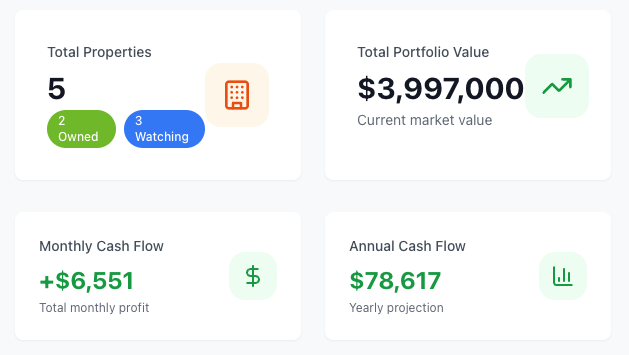
Rental Optimizer is a new tool that helps property owners analyze expenses, predict cash flow changes, and identify hidden cost-saving opportunities. With advanced analytics, you can quickly see your break-even points and plan for rent adjustments. For more information, visit Rental Optimizer.
Embrace online payments and screenings
Collecting rent online streamlines cash flow and reduces the risk of late payments. Automated tenant screening tools speed up the leasing process, so you can get new tenants in your units faster.
Monitor results and refine
No strategy is static. As market conditions shift and your property ages, your approach needs an occasional tune-up.
Evaluate every quarter
- Update your NOI calculations.
- Compare the rate of any rent increases against occupancy levels.
- Check your maintenance logs for recurring issues or cost spikes.
- Revisit contractor contracts to ensure you are still receiving competitive rates.
Adjust to market trends
Keep an eye on neighborhood developments, such as new businesses or transportation projects, that might affect property values or rental demand. Adjust your long-term strategy in response to these shifts.
Key takeaways
- Set clear financial goals to focus on the best cost-saving tactics.
- Minimize monthly expenses by negotiating service fees and choosing the right insurance.
- Optimize your rent through local market research and valuable property upgrades.
- Stay on top of maintenance to avoid expensive emergency repairs.
- Embrace tech tools like Rental Optimizer for smarter data-driven decisions.
- Continuously track results and refine your approach to maintain a strong ROI.
By following these rental property cost-saving tips, you can efficiently boost profits and position your rental portfolio for lasting success. Start small by reviewing this month’s expenses and searching for quick wins, then let technology and consistent tracking guide you toward bigger, sustainable gains.
Make Smarter Rental Investments & Boost Profits
Use AI to Assess Opportunities
Compare Cap Rates & Cash Flows
Optimize Rental Income
RentalOptimizer.com