
Even smart machines make mistakes. But when they do, who’s ultimately responsible?
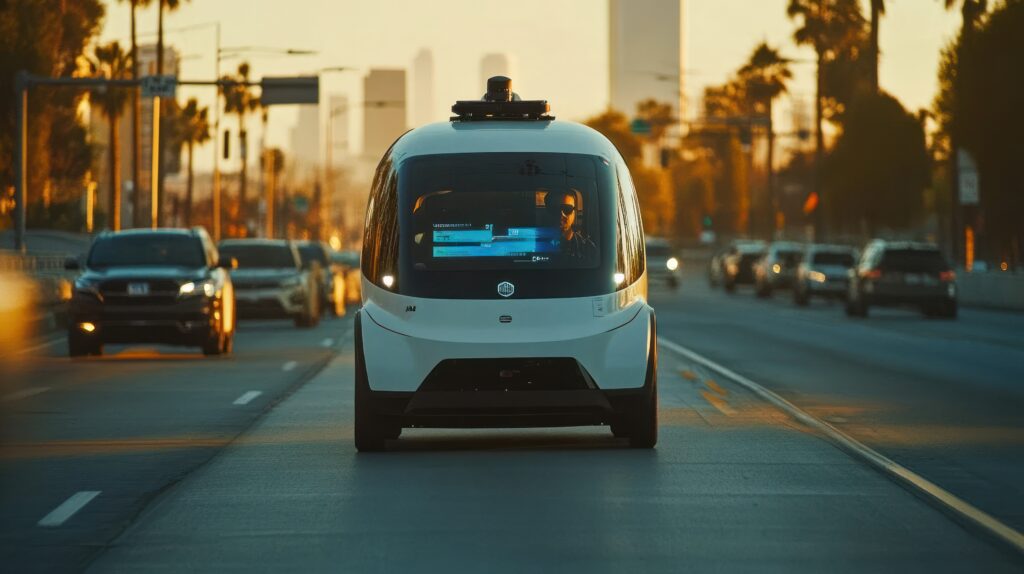
Police in San Bruno, California recently ran into that problem during a DUI enforcement operation last year. They stopped a driverless Waymo for making an illegal U-turn. A human representative spoke to them through the car’s speaker and called the incident a glitch. The officers let the infraction slide because their citation form didn’t have a box for “robot.”
Waymo got lucky.
Self driving cars received 589 parking tickets totaling $65,065 in San Francisco in 2024. In Austin, five robotaxis blocked police and paramedics responding to a mass shooting. California passed a new citation law last year because officers lacked a clear process for recording violations by autonomous vehicles.
When a machine violates a rule, who owns the consequence, and what happens when the answer is nobody?
That’s the question facing the autonomous vehicle industry right now, but it’s also one that lives is just about every company automating it’s work processes right now.
Who’s accountable for machine made mistakes?
A human driver accumulates points for violations. When you get too many, you lose the right to drive.
Research from UC Berkeley’s SafeTREC, highlights how regulators are developing a comparable mechanism for driverless-car companies. New noncompliance notices would record violations and become part of the decision about whether a company keeps its operating permit.
Workday’s AI hiring software rejected 1.1 billion job applications over five years, which is now the subject of a federal discrimination lawsuit. In the case Mobley v. Workday, a judge ruled that the Workday could be held directly liable for decisions made by its tool, along with the employers using it.
Responsibility for machine-made mistakes is still the wild west. But based on recently developments, it’s likely only a matter of time before both vendor and user are held accountable for high tech errors.
People ultimately pull the strings
An IBM training manual from 1979 offered a valuable rule that still holds today: a computer can never be held accountable, so it must never make a management decision. It’s debatable whether AI should be making “management decisions” but the lesson from the manual is that the buck stops with humans.
Today, software screens job candidates. Algorithms establish prices. Automated systems identify people for layoffs. For a manager, saying that “the system did it” defers responsibility for the rules, values, and results of the system being overseen by that very manager.
The organizations that manage AI and automation well do one thing: before an automated decision goes live, they assign human beings to own it.
Every leader adopting AI will eventually face this. Technology can become the target of blame after something goes wrong. Preventing the next failure is the job of people. Here’s how to do it:
-
- Name a clear owner. Choose one person, rather than a department, who is accountable when an automated decision fails.
- Forecast mistakes. Identify the potential mistakes to avoid in your automation and pre-empt them with guardrails.
- Build the override. Determine how to alert and brings humans into the loop before an error grows into a crisis.
If you can’t identify who’s ultimately accountable for your algorithms, you may be turning your next automation into a mistake machine.
I publish Leapfrogging the Headlines to help leaders cut through the noise, gain clarity on what’s happening, and make smarter decisions. Subscribe below to get each issue delivered free.

Join 30,000+ other leaders