

Embrace ai-driven property management
AI-driven property management is quickly emerging as a game-changer for real estate agents like you. Instead of juggling multiple spreadsheets or waiting on time-consuming manual processes, you can let technology handle a range of day-to-day operations. This new efficiency level does more than save time—it can help you connect with more potential buyers or tenants, maintain satisfaction among existing clients, and ultimately streamline your entire property portfolio.
When you integrate AI into your workflow, you essentially equip yourself with a personal assistant that never sleeps. The technology sorts and analyzes property data, generates valuable insights, and even automates routine tasks such as scheduling maintenance and responding to tenant inquiries. These capabilities free you up to focus on higher-value tasks, like nurturing relationships and closing deals.
AI-driven property management holds so much promise because it relies on machine learning, a type of technology capable of identifying trends and spotting inefficiencies with impressive speed. If you’re searching for ways to reduce vacancies, optimize rental pricing, or improve marketing efforts, you’ll find that disruptive digital tools can help you make rapid, data-backed decisions. Whether you manage a handful of rentals or an entire portfolio, letting AI handle repetitive steps keeps your energy focused on growth.
How AI boosts your efficiency
You already know how time-consuming it can be to coordinate property listings, schedule showings, and handle hundreds of small but essential tasks. AI can automate many of these responsibilities, ensuring important details never slip through the cracks. By analyzing trends in tenant preferences and regional market shifts, AI solutions also help you price rentals competitively and fill vacancies faster.
Below is a quick look at how AI-driven property management stacks up against traditional approaches:
| Aspect | Traditional approach | AI-enhanced approach |
|---|---|---|
| Tenant screening | Manual checks, often incomplete | Automated background and credit checks, quick approvals |
| Rent collection | In-person payments, manual tracking | Online portals, automated reminders, secure digital transfers |
| Maintenance management | Paper requests, slow scheduling | Instant digital requests, real-time task optimization |
| Market research | Basic local comps, limited data | AI-driven data analytics with deep insights into rent trends |
| Communication | Manual calls and emails, slower response times | Automated chatbots, faster replies, streamlined outreach |
When you rely on manual or post-hoc methods, you could spend hours each week buried in administrative tasks. By contrast, machine learning in real estate can capture and interpret large sets of property data almost instantly. This makes it easier to maintain accurate records, anticipate market changes, and respond proactively to risks or opportunities.
Your day-to-day life gets simpler too. Imagine automated vacancy alerts that identify when a tenant wants to move out, marketing suggestions for new listings, and predictive models that help you determine the right moment to raise or adjust rental rates. Instead of second-guessing your instincts, you rely on sophisticated technology to make informed choices. Ultimately, you close more gaps, reduce operating costs, and create a better experience for tenants and buyers alike.
Make Smarter Rental Investments & Boost Profits
 Use AI to Assess Opportunities
Compare Cap Rates & Cash Flows
Optimize Rental Income
Use AI to Assess Opportunities
Compare Cap Rates & Cash Flows
Optimize Rental Income
RentalOptimizer.com
Tools that transform your process
A growing number of platforms and apps promise to revolutionize how you manage real estate properties. Some of these specialize in daily tasks such as rent reminders and digital lease signings. Others focus more on long-term planning, like refining your marketing strategies or leveraging deeper analytics. Regardless of your priorities, choosing the right AI tool can have a dramatic impact on your bottom line.
One option worth exploring is Rental Optimizer, a platform that uses machine learning to automate everything from price-setting to maintenance alerts. Users often find that adopting a single, comprehensive system helps them move away from patchwork solutions that rely on multiple apps. If you’d like to see other forms of AI for real estate agents, you can explore resources like ai tools for real estate agents to learn about the different vendors and software on the market.
When evaluating an AI-driven property management solution, you’ll want to see how it handles tasks like lead generation, property valuation, and tenant screening. If you run into a platform that falls short, consider one with more robust features. Also keep in mind that specialized tools—like ai lead generation real estate or property valuation ai tools—can integrate with your property management system to fill any gaps.
Below are a few features you might look for when selecting an AI tool:
- Predictive analytics for setting competitive rental prices
- Automated maintenance tracking, from tenant requests to contractor scheduling
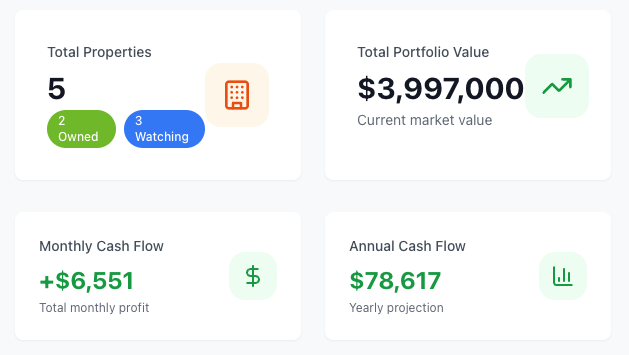
- Real-time reporting dashboards that deliver insights on occupancy and revenue
- Marketing tools for promoting listings across multiple online channels
- Integration with your existing systems, such as a real estate crm with ai
Even if you manage a smaller portfolio, it’s helpful to bring together multiple data points in a single place. By having one dashboard that displays tenant satisfaction metrics, outstanding maintenance requests, and market analytics, you can make decisions quickly and with confidence. You can also spot emerging trends—like rent fluctuations or seasonal shifts—without spending hours combing through spreadsheets.
Key steps for implementing AI
Implementing an AI-driven property management system can feel like a significant leap. The good news is you can break the process down into straightforward steps. First, outline your core business goals. These might include reducing vacancies, optimizing your rent schedule, or improving the speed of lease signings. Being clear about your objectives helps you decide which features and integrations matter most.
Next, gather the data you already have. This might be any historical records of tenant turnover, marketing costs, or property maintenance logs. If you don’t have thorough records, that’s okay—you can still move forward, but you might want to start with basic AI functionalities and then expand as more data becomes available. Platforms like ai real estate analytics can then help you make sense of historical patterns and unlock new insights.
Once the data is in place, choose a pilot property or a small segment of your portfolio to test the technology. Try applying AI to a single building with a moderate number of units, or focus on a narrow subset of tasks such as rent collection. As you track performance, pay attention to any immediate improvements in tenant response time or administrative workload. Look for ways to refine the platform’s settings, like adjusting how frequently you push vacancy alerts or the criteria for automated tenant screening.
After you see initial success, scale the solution across more units or property types. Train your team thoroughly so they understand both the technology and your new processes. You might also designate an “AI champion” who can answer questions, fix small issues, or help others with troubleshooting. Keep your settings flexible. As you integrate feedback from staff and tenants, you can tweak automated messages, marketing triggers, or reporting features. This iterative approach ensures that the AI-driven system continues to reflect your actual business needs.
Resolve common AI challenges
While AI can bring remarkable gains, adopting this technology isn’t always seamless. Resistance to change is often the first hurdle. Staff members might be hesitant to adopt new workflows—and tenants might wonder why they’re suddenly receiving digital forms or automated reminders. Address these concerns early by explaining how AI-driven property management is designed to improve efficiency for everyone.
Another common issue is data quality. If you rely on incomplete or outdated data, the AI might underperform, making imprecise predictions or even flagging incorrect maintenance requests. The solution is to regularly audit your datasets, updating them as soon as new or more accurate information becomes available. Over time, your AI tools become smarter and more reliable, provided you feed them relevant insights.
You might also worry about upfront costs. Some agents feel hesitant to invest in expensive software subscriptions or licensing fees. However, you can start small and focus on core features. For instance, you might implement a narrow tool for ai for real estate listings and gradually expand your functionality as your revenue grows. Likewise, you could test a simplified feature set—like AI chatbots for tenant inquiries or rent reminders—before committing to a suite of complex analytics.
Data privacy is another concern in property management. AI systems often handle personal details, from contact information to rental history. Make sure you’re working with vendors who prioritize encryption and data security. If you plan to use advanced marketing features, such as ai-powered real estate marketing, ensure the platform complies with any local regulations around consumer data protection.
If these pains feel familiar, you’re not alone. Many agents face similar hiccups, but the payoff—more efficient processes, better tenant satisfaction, and stronger client relationships—can far outweigh the initial obstacles.
Move forward with confidence
If you’ve been waiting for that extra push to transform your property management, this is the moment. By exploring AI solutions and implementing best practices, you’ll unlock new ways to optimize your portfolio and handle growth without breaking a sweat. You might choose a robust platform like Rental Optimizer or select a more specialized option that aligns perfectly with your portfolio’s needs.
Start where you are. Maybe you’ll begin with a simple upgrade, such as automated reminders for upcoming showings or digital lease signings. Or perhaps you’d rather dive directly into dynamic pricing and forecasting tools. Either way, the key is to keep your goals at center stage. That means focusing on the metrics that matter to you—whether it’s shorter vacancy periods, higher tenant retention, or a more balanced workload.
Integrating AI into your process doesn’t mean losing control. You’ll still make critical decisions about rates, tenant placement, and marketing strategy. But now you’ll have a data-driven foundation for those choices rather than basing everything on guesswork or partial information. Over time, you might even spot new opportunities—like expanding into properties you previously deemed too time-consuming to manage.
Finally, remember that AI is just one piece of your overall real estate strategy. It pairs seamlessly with your negotiation skills, market knowledge, and client relationships. If you’re curious about more comprehensive AI applications in the industry, consider looking into ai for real estate agents or advanced machine learning in real estate solutions that go beyond property management alone.
You have a future-proof path in front of you. With AI-driven property management, you’re equipped to adapt to new market conditions, handle unexpected changes in tenant demand, and keep your competitive edge strong. By embracing technology and staying open to continuous improvement, you’ll set yourself up for long-term growth. After all, success often comes down to combining smart innovations with the personal expertise that only you can bring to the table. And that is the true secret to getting ahead—modern solutions that let you focus on what you do best.
Make Smarter Rental Investments & Boost Profits
Use AI to Assess Opportunities
Compare Cap Rates & Cash Flows
Optimize Rental Income
RentalOptimizer.com