

You already know that the real estate landscape is fiercely competitive. With properties hitting the market daily, simply uploading a listing and waiting for inquiries is no longer enough. That’s where AI for real estate listings steps in to transform how you generate leads, craft compelling property descriptions, and ultimately close more deals. By infusing machine learning, data analytics, and automation into your daily workflow, you set yourself apart from traditional agents and accelerate your path to more revenue.
But the power of AI isn’t reserved for huge brokerages or massive property management firms. Even if you’re operating as a solo agent or running a lean team, modern AI tools offer flexible options that scale with your needs. The result? Sharper listings, faster turnarounds, and happier clients who see you as a data-driven, innovative partner. Here’s how you can tap into those advantages and future-proof your business.
Harness AI for real estate listings
AI has moved beyond buzzword status. Today’s real estate professionals use it to interpret market trends, build accurate comps, and tailor property descriptions. When you harness AI effectively, you amplify the visibility of your listings and instill confidence in prospective buyers and sellers.
You might already be familiar with using AI tools for real estate agents, or maybe you’re exploring machine learning in real estate. Both disciplines share the goal of extracting meaningful insights from multiple data sources at once. Instead of toggling between spreadsheets or repeating manual research, AI platforms process location stats, historical sales data, mortgage trends, and even local demographic patterns to help you create a compelling listing. That means you spend less time sifting through raw data and more time strategizing client-facing efforts.
“AI is not just a futuristic concept. It’s your ally in making data-based decisions that position your listings exactly where buyers are looking.”
As you adopt AI for real estate agents, you’ll also discover new ways to streamline communications. Automated emails, chatbots, and predictive texting services can reach out to potential clients the moment there’s an update on a listing. These micro-optimizations accumulate into significant time savings, letting you nurture more leads without sacrificing the personal touch.
Make Smarter Rental Investments & Boost Profits
 Use AI to Assess Opportunities
Compare Cap Rates & Cash Flows
Optimize Rental Income
Use AI to Assess Opportunities
Compare Cap Rates & Cash Flows
Optimize Rental Income
RentalOptimizer.com
Streamline your listing process
Between juggling multiple listings, scheduling showings, and handling negotiations, you need tools that simplify your routine. AI platforms allow you to automatically populate listing details, suggest relevant keywords, and generate marketing copy that aligns with buyer personas. This means your property descriptions sound more authentic and helpful instead of sounding repetitive or hurried.
Many AI-driven solutions integrate directly with your existing systems. For example, when you embed real estate CRM with AI into your workflow, the software mines your contact database to recommend which clients to reach out to first and when to follow up. The AI engine works invisibly in the background, updating tasks and sending reminders, so you don’t have to fret over missed opportunities or dropped leads.
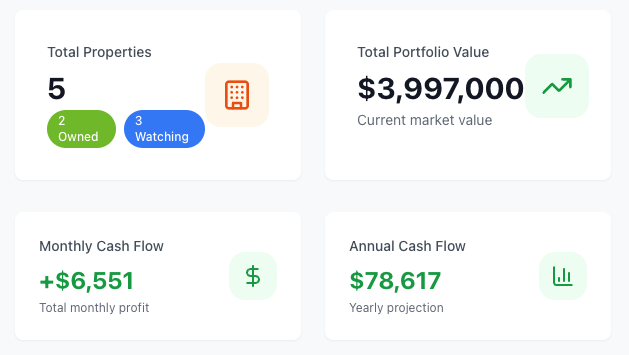
One AI solution that zeroes in on rental property optimization is Rental Optimizer. By analyzing location data, rental demand, and seasonal shifts, it gives you actionable insights on pricing and leasing trends, encouraging you to adjust listings in real time. That kind of agility can be a deciding factor when competing against other agents for the same prospective tenants.
Leverage advanced AI marketing
Some of the biggest wins come when you combine smart data analysis with targeted marketing campaigns. AI-powered marketing platforms can segment your audience (based on budget, location preferences, or lifestyle needs), automatically pushing your listings to the right people at the right time. Rather than sending mass emails, you’re meeting each segment with tailored messages that speak to their genuine interests.
Within this approach, consider how ai-powered real estate marketing tools help refine your strategies even further. They track clicks, open rates, and engagement metrics across multiple channels. Maybe your suburban listings perform best with short, text-based announcements, while your upscale city condos need a more visually rich format. The AI crunches these patterns to refine future campaigns, ensuring you funnel your marketing budget to channels that deliver the highest return on investment.
If lead generation is a top priority, you can tap into ai lead generation real estate solutions. These platforms predict who’s most likely to respond to your listing announcements and follow-up calls. The result is a steady pipeline of potential buyers or renters who are already primed to take the next step, saving you from chasing lukewarm leads.
Overcome AI misconceptions
Whenever new technology shows up, it’s easy to imagine it’s too technical or too expensive. As an agent, you might worry that AI creates a cookie-cutter experience or that the learning curve is too steep. In reality, most AI services come with user-friendly dashboards, detailed support, and an array of pricing tiers suitable for both small and large teams.
Here are a few common misunderstandings about AI in real estate:
- “AI replaces the human touch.”
- Not true. AI can automate routine tasks, but you remain essential for relationship-building, negotiations, and that local market savvy clients look for.
- “You need tons of data to make it work.”
- AI platforms typically tap into broader property databases or public records. You don’t need personal big data sets to get started. Your existing listings, leads, and transaction data can be enough.
- “It’s cost-prohibitive for small agencies.”
- On the contrary, many cloud-based tools offer scalable pricing. You pay for what you use and can upgrade as you grow.
- “It’s only useful for digital marketing.”
- AI supports a range of tasks beyond marketing. From pricing suggestions to property staging ideas, AI can inform multiple parts of your day-to-day process.
By dispelling these myths, you can take a level-headed approach to integrating AI into your business. You’ll see it as a set of helpful tools instead of a futuristic system that’s out of reach.
Plan your AI strategy
Implementing AI isn’t about adopting every new tool you see. It’s about matching genuine business needs to advanced technologies that solve them. One agent might focus on ai real estate analytics for in-depth neighborhood data, while another might flock to property valuation ai tools to build more accurate market comps. Whatever your path, solid preparation lays the groundwork for success.
Start by auditing your current processes. Look at how you create listings, how you track leads, and how fast you respond to inquiries. Do you often go days without updating property information? Are your marketing emails sporadic or guided by guesswork? These small gaps hint at the exact spots where AI could make a difference.
Next, choose specific goals you’d like to achieve. Maybe you want to reduce time spent on listing creation or cut your average lead response time in half. Setting measurable targets helps you pick a tool that aligns with your objectives instead of pushing you toward flashy features you don’t really need.
A phased approach
Migrating your entire workflow overnight can be risky. Instead, consider a phased approach:
- Phase 1: Test a single AI platform or feature on one listing. If you’re curious about intelligent pricing, try renting or selling a mid-range property with help from Rental Optimizer or a similar service.
- Phase 2: Evaluate the results. Did you generate more qualified leads? Did the platform free up more hours for personal outreach?
- Phase 3: Scale up. Once you see consistent benefits, expand the AI’s role to more listings or additional tasks (such as ai-driven property management).
Keeping your team informed during each step is vital. Whether it’s two people or twenty, everyone should understand how the AI tool fits into the bigger picture. This promotes buy-in and smooth adoption, so you’re not lone-wolfing the initiative.
Measure and refine
No AI system is “set it and forget it.” Results often improve over time, especially if you give feedback to the platform. Refine your property descriptions based on which elements garner the most buyer interest. Adjust your lead generation campaigns if your initial targeting proves too narrow. Think of AI as an evolving partner, one that gets more precise the more you interact with it.
Final thoughts
Adopting AI for real estate listings reshapes your approach to marketing, client engagement, and data-driven decision-making. You can bolster your credibility, expand your reach, and present clients with polished listings that stand out in a crowded market. Moreover, AI frees you from many repetitive tasks, letting you reinvest that time in building relationships and closing deals.
Instead of seeing AI as an expensive luxury, see it as an adaptable solution to your very real challenges. The tools are easier to use than you might imagine, and the payoff in efficiency and client satisfaction makes it well worth the journey. Take the next step by exploring ai for real estate agents to see exactly how these innovations can scale your business. Once you start using AI, you’ll wonder how you ever managed without it.
Make Smarter Rental Investments & Boost Profits
Use AI to Assess Opportunities
Compare Cap Rates & Cash Flows
Optimize Rental Income
RentalOptimizer.com