

AI real estate analytics is quickly emerging as one of the most impactful tools in your agent toolkit. You can now leverage advanced data insights to pinpoint the hottest listings, match buyers to homes with lightning speed, and optimize your rental portfolios like never before. By layering these analytics into your daily workflow, you streamline your decision-making, cut guesswork in half, and ultimately create happier clients who are eager to refer you and return for future deals.
Understand AI real estate analytics
At its core, AI real estate analytics refers to the use of advanced algorithms, including machine learning in real estate, to spot price trends, forecast home values, and reveal which investments have the most promising returns. These analytics tools learn from massive volumes of historical and real-time data, so they can interpret patterns humans might miss.
Imagine sorting through thousands of listings in seconds, thanks to predictive systems that highlight the most lucrative properties. You would then focus on the criteria that matter most—such as location desirability, local school ratings, and neighborhood growth rates. In one informal survey, over half of real estate professionals tried at least one AI system last year, and most reported saving hours every week. That is time you could spend generating new leads or closing deals.
A major advantage of harnessing AI for your day-to-day work is accuracy. You no longer have to rely on averages or outdated local data. Your analytics platform will serve up immediate, data-driven valuations and projections that you can share with buyers and sellers. In turn, you build trust by demonstrating that your insights are grounded in actual market shifts, not just experience or gut feelings.
Identify property trends faster
Staying on top of emerging market conditions can feel like chasing a moving target. While you may see prices fluctuate in different neighborhoods, or notice an uptick in out-of-state investors, it is hard to thread all those observations together in a coherent strategy. This is where AI can help you capitalize on trends the moment they emerge.
Platforms that use ai for real estate listings can scan hundreds of data points—from local crime rates to mortgage application patterns—to alert you about properties that are about to surge in value. Equally important, these tools can throw up red flags on homes that might be overpriced relative to what the market can support.
By integrating a robust AI platform, you give yourself the ability to sift through thousands of listings each morning and narrow the list to those with the greatest profit potential. In fast-paced environments, identifying property trends quickly can be the difference between capturing a hot listing at the perfect moment or missing out on a golden opportunity.
Make Smarter Rental Investments & Boost Profits
 Use AI to Assess Opportunities
Compare Cap Rates & Cash Flows
Optimize Rental Income
Use AI to Assess Opportunities
Compare Cap Rates & Cash Flows
Optimize Rental Income
RentalOptimizer.com
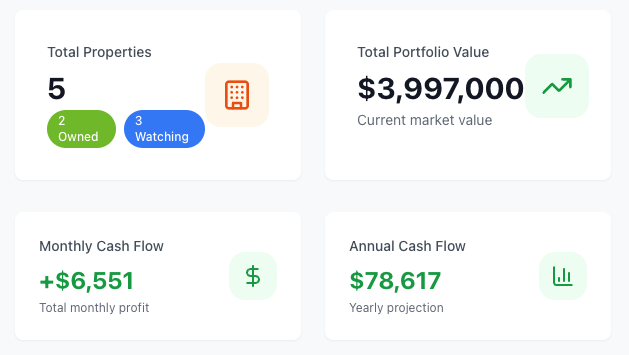
Analyze leads with precision
Winning in real estate often boils down to how effectively you manage relationships and seize the best leads. Using ai lead generation real estate solutions, you can differentiate between warm leads ready to buy and casual inquiries that might stall your pipeline. The engine behind these tools relies on machine learning algorithms that factor in buyer online behavior, demographic data, and even communication patterns.
You could receive a ranked list of leads every morning, automatically sorted by how likely they are to convert in the next 30 days. Instead of blindly following up with everyone, you direct your attention to the top candidates. That not only saves you time but also helps your future clients feel their questions are addressed promptly and expertly.
Some of the key benefits you might notice when you employ AI-driven lead analytics include:
- Faster lead response times
- Decreased risk of dropping important follow-ups
- Improved closing rates on high-value deals
- Clearer view of which marketing channels bring you the best leads
Because you can see which lead sources are the most profitable, you can allocate your marketing budget and outreach efforts accordingly. That gives you a powerful edge, especially if you work in competitive markets bursting with prospective buyers.
Shape targeted marketing campaigns
AI shines brightest when it transforms your daily marketing efforts from guesswork into well-honed strategies. By evaluating huge volumes of buyer data, you can identify precisely which neighborhoods resonate with your listings, what price points draw the most traffic, and which marketing messages spark action.
Rather than broadcasting the same generic ad to every demographic, you can tailor your approach. Let’s say you discover that empty nesters in a particular suburb respond well to video walkthroughs while younger buyers in a nearby neighborhood are more likely to engage with social media reels. You can then tweak your outreach and see an immediate spike in engagement. For more targeted strategies, you might explore ai-powered real estate marketing solutions designed to segment audiences by multiple criteria.
AI’s pattern recognition capabilities also allow you to fine-tune your property descriptions for maximum impact. The data might reveal that highlighting local coffee shops or walkability resonates more with millennial first-time homebuyers. You can test these suggestions and watch your click-through rates rise as a result.
Optimize your rental strategies
Whether you manage properties directly or advise landlords on rental targets, using advanced analytics can keep your vacancy rates in check. A platform like Rental Optimizer can help by identifying rental price sweet spots based on local demand, seasonal fluctuations, and historical occupancy rates. These systems learn from vast repositories of data, so you get clearer insights on exactly what monthly rate will attract long-term tenants without leaving money on the table.
You also benefit from automating tasks such as lease renewals, tenant screening, or issue reporting. Some solutions, like ai-driven property management platforms, can analyze maintenance requests to predict future needs. For instance, consistent mentions of plumbing issues in a certain unit may signal a larger system overhaul is coming. Staying proactive keeps your rental properties in better shape, which helps you avoid costly emergency repairs.
When you can quickly pull up rent trends, predicted shifts in neighborhood popularity, and typical turnover times, you can better position your properties to stand out. You will also offer more value to landlords by demonstrating a systematic approach to raising or adjusting rates.
Overcome challenges with AI
Of course, diving into AI can spark questions. You might wonder if the technology is too complicated to implement, too time-consuming to learn, or too expensive for a smaller operation. The truth is that modern AI software is designed to be user-friendly, even if you do not have a technical background.
Most real estate-focused platforms guide you step by step. First, you import your data or connect your existing CRM. Then, the system analyzes trends and flags key patterns automatically. At no point do you need to become a data scientist to interpret a pivot chart or run advanced regression models. The hard work happens under the hood, allowing you to simply read clear dashboards and act on real-time insights.
Cost can be more manageable than you think, especially as competition drives down software pricing. When you map out a detailed profit and loss calculation, you will often find that the benefits—faster closes, better lead handling, and fewer missed opportunities—can offset the subscription fees. And if you are looking for a specialized platform to handle your client data, consider a real estate crm with ai optimized for your market.
Move forward confidently
If you are still on the fence, consider the simple fact that many successful agents already lean on these tools. Adopting AI does not replace your personal expertise, it amplifies it. Instead of wasting hours scrolling through endless listings or following up with cold prospects, you can concentrate on building relationships and delivering standout service.
Much like the agent who invests in a top-quality camera for listing photos, your decision to add AI is a strategic step to elevate your brand. The better the tools you use, the more memorable your service and the more business you can attract by word-of-mouth.
Ultimately, AI real estate analytics becomes your secret weapon in a crowded market. Below is a quick summary of how it might boost your business and future-proof your approach:
- Streamline data-driven decisions. Your focus shifts from guesswork to clear, actionable insights.
- Pinpoint the hottest listings. AI identifies undervalued properties and neighborhoods on the rise.
- Target marketing with precision. Craft tailored campaigns that resonate with different buyer segments.
- Manage leads intelligently. Spend more time on clients who are eager—and able—to buy.
- Optimize rental portfolios. Advanced price guidance helps you find the sweet spot that attracts better tenants.
If you want to dig even deeper into technology adoption, check out resources like ai for real estate agents to explore next-level solutions for your brokerage.
Remember, too, that you can lean on simpler, specialized platforms if you are unsure about diving in fully. Tools like property valuation ai tools or ai tools for real estate agents let you test the waters. You may start with something like a user-friendly pricing tool, realize the value, and then expand into broader analytics. Over time, you can connect advanced modules—from property management to custom marketing funnels—and shape a tech ecosystem that supports every part of your business.
One of the biggest shifts you will notice is how quickly you can pivot your strategies. If data shows that certain suburbs are attracting new businesses, you can reposition future ad campaigns to capture those buyers or commercial clients. And if you spot a loan interest spike that influences buying power, you can tailor your open houses to reflect it. AI analytics frees you from stale historical data and pushes you toward instant, relevant numbers.
You also build loyalty with sellers who watch you use professional, advanced dashboards to back your pricing recommendations. Presenting numbers that clearly show why you priced a property at a certain level can build a level of trust that sets you apart from other agents. Sellers appreciate the transparency. Buyers, meanwhile, rely on your data-driven timeline estimates to guide them through the purchase process with less uncertainty.
Finally, do not overlook how AI helps you see the big picture in your own business. By consolidating lead flows, marketing metrics, and property performance, you can make more strategic decisions about your time and resources. You might realize that you previously neglected certain zip codes or certain buyer demographics, and you can shift your energy to those missed opportunities. The insights you gain from the software lead you toward the best next steps to expand or refine your brand.
There is no one-size-fits-all approach to AI real estate analytics. If you prefer a more specialized route—say an all-in-one lead generator that you integrate into your workflow for six months—try that first. The important part is recognizing that the insights hidden in your client and market data are too valuable to ignore.
When you adopt these solutions, you put yourself in the driver’s seat. You gain clarity beyond the classic metrics like square footage or average sales price. Suddenly, you can forecast how local renovations might boost a property’s value or determine which home features—like solar panels or a renovated basement—truly resonate with your target audience.
Take the initiative to learn the interface, test out the dashboards, and measure the results. You will see how AI real estate analytics quickly transforms day-to-day tasks into a more efficient process. In a competitive field where every lead and every minute count, using AI gives you a channel to operate smarter, not just harder.
By staying proactive, experimenting with new tools, and paying attention to the data, you elevate your brand and demonstrate to clients that you are ahead of the curve. That kind of reputation matters in real estate. It helps you stand out in a sea of traditional listings, show clients that you can leverage cutting-edge tools for their benefit, and ultimately close deals with fewer headaches.
When in doubt, start small and build momentum. Maybe you plugin an AI system that predicts if a particular home will sell above asking price or if a prospective buyer is a sure bet for financing. Then, as you get comfortable, you broaden your reach. Before long, you will have a sophisticated, integrated approach that sets you apart from others in your market. And if you decide to explore advanced solutions for ongoing property management, check out ai for real estate listings or ai-driven property management, which can add even more convenience.
AI real estate analytics is not a gimmick. It is a strategic advantage that can help you thrive in the shifting real estate landscape. Whether you manage rentals, specialize in luxury homes, or juggle commercial tenants, tools like Rental Optimizer deliver immediate insights to guide your decisions. Embrace them. Soon, you will discover you can outmaneuver the old, time-intensive approaches and scale your agency to new heights. Your clients will thank you, and your bottom line will too.
Make Smarter Rental Investments & Boost Profits
Use AI to Assess Opportunities
Compare Cap Rates & Cash Flows
Optimize Rental Income
RentalOptimizer.com