

AI-driven real estate investment platforms are fast becoming indispensable tools for boosting your profits in a competitive market. If you’ve been looking for a more efficient way to evaluate deals, manage your portfolio, and make truly data-backed decisions, these platforms could be just what you need. By leveraging artificial intelligence to spot trends, forecast market changes, and automate tedious calculations, you can free up your time for higher-level tasks like negotiating deals or diversifying your portfolio. In this article, you’ll discover how AI streamlines real estate analysis, what features to look for in a capable platform, and how you can smoothly integrate AI into your investment strategy.
Explore AI real estate platforms
At their core, AI-based platforms for real estate are engineered to handle large volumes of property data, then analyze it with advanced algorithms. This process goes far beyond relying on your own spreadsheets or basic online listings. Instead, AI helps you quickly spot hidden patterns that would be nearly impossible to catch manually, especially if you’re juggling multiple markets or a growing portfolio.
By automating crucial tasks like property valuation, rental estimates, and cash flow projections, these platforms let you scale up your operations without compromising on accuracy. Imagine spending less time sifting through property records, tax documents, and local rental data. That’s the immediate benefit AI platforms bring: they take on the heavy lifting so you can focus on strategy and negotiation.
Even if your portfolio is small, AI-driven solutions can help you optimize returns by pinpointing the best-performing properties and prospective neighborhoods. Many platforms offer dashboards that visualize key metrics, letting you grasp market shifts and property performance at a glance. Providing immediate macro and micro-level insights is what sets AI solutions apart from traditional tools. You benefit from faster decision cycles, clearer data, and a more strategic approach to long-term growth.
Use data-driven insights
One of the biggest advantages of AI-driven real estate investment platforms is their ability to deliver data-driven insights in real time. Rather than guessing whether a specific property will produce strong cash flow, you can analyze factors like local vacancy rates, neighborhood income brackets, or upcoming development projects. AI models excel at pinpointing correlations among different data sets, letting you see how a single change—like a new commercial project—could impact property values or rental demand.
If you’ve ever found yourself poring over historical market trends, you know it can be overwhelming to interpret thousands of data points. With AI, these patterns become clearer, helping you uncover opportunities faster. You can identify which zip codes are up-and-coming, compare average rental yields, and evaluate property appreciation trends side by side. This level of insight translates directly into reducing risk and maximizing returns.
The real-time aspect is key. Markets evolve constantly, and older statistics can be misleading. You need up-to-date, accurate data on everything from demographic shifts to interest rate changes. AI platforms use continuous data feeds to refresh calculations automatically. That means you are always working with current, relevant information when deciding how much to bid on a property or predicting its potential ROI.
Consider essential features
When shopping for an AI-driven real estate platform, it helps to zero in on a few key features that indicate real value. While software capabilities can vary, these essentials make a noticeable difference in your day-to-day operations:
- Automated data gathering: Look for a tool that seamlessly pulls in data from multiple sources, such as property listings, local government records, and demographic databases. Automation cuts down on manual tasks and ensures you’re never missing essential market information.
- Predictive analytics: Does the platform offer modeling that factors in historical trends, current events, and projected market growth? Predictive analytics let you forecast rents, estimate property appreciation, and measure risk more accurately.
- Portfolio tracking and management: Managing multiple properties can become chaotic without a centralized dashboard. Platforms with portfolio-wide performance metrics highlight where you might expand or where you need to adjust your strategy.
- Intuitive interface: A well-designed user interface helps you focus on insights rather than wrestling with the software. You want to quickly access data visualizations, property comparables, and any AI-generated recommendations.
- Scalability: Ensure the platform can handle your growth. If you plan to invest in new markets or larger-scale properties, the tool’s back-end should be flexible enough to manage more data with ease.
By confirming these features align with your objectives, you’ll find a platform that truly supports your investment journey. Remember that advanced AI doesn’t have to be confusing if the interface is built well and the data is presented clearly.
Compare top solutions
The next step is comparing different AI-driven real estate investment platforms to see which option aligns with your specific goals. While some emphasize short-term rental forecasting, others might excel at commercial property analysis. Here’s where you look option by option to see what stands out.
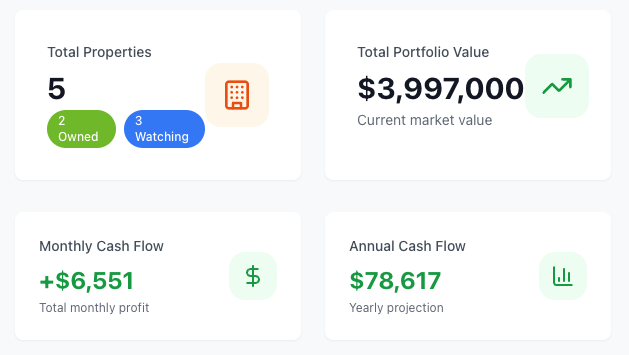
One great example of a new breed of AI-powered tools is Rental Optimizer (https://rentaloptimizer.com). This platform specializes in rental property analysis and portfolio tracking, making it especially useful if you’re focusing on long-term rental income. Rental Optimizer automates much of the research process, so you can pull detailed data on potential properties and compare them side by side without getting lost in spreadsheets. You’ll also find advanced forecasting tools that calculate how different scenarios—like changes in mortgage rates or property taxes—might affect your yields over time.
Beyond specific tools, consider how the platform’s pricing structure fits with your budget. Some services charge monthly subscriptions with tiered features, while others might require a more substantial upfront investment. Trial periods and demo versions can give you a hands-on feel for each solution. Always check user reviews or seek recommendations from fellow investors to understand real-world performance and support. Different markets can present unique challenges, so a platform that works seamlessly for one property type might be less ideal for another.
Make Smarter Rental Investments & Boost Profits
 Use AI to Assess Opportunities
Compare Cap Rates & Cash Flows
Optimize Rental Income
Use AI to Assess Opportunities
Compare Cap Rates & Cash Flows
Optimize Rental Income
RentalOptimizer.com
Adopt a step-by-step process
Even with a powerful AI solution on your side, maximizing the technology requires a structured approach. Here’s a simple process you can follow to ensure you’re getting the most from your chosen platform:
- Define your investment goals: Are you aiming for steady rental income, short-term flips, or long-term appreciation? Having a clear focus helps you input relevant criteria into the platform and interpret results correctly.
- Gather your property list: Collect addresses, listing details, or any data you already have. An AI platform can refine and expand this dataset, but starting with basic property information aligns your search with your overall objectives.
- Input your criteria: Within the platform, set parameters like ideal location, maximum purchase price, and minimal cash-on-cash return. The AI can use these metrics to rank potential properties and remove ones that don’t fit your profile.
- Review AI-generated insights: Pay special attention to forecasts on rental yields, estimated appreciation, and other key performance indicators. Look for any red flags, like historically high vacancy rates or poor neighborhood growth projections.
- Validate with additional research: While AI provides strong guidance, double-check anything that seems off. Sometimes local regulations or specific property quirks can skew data-driven results. Use the AI output as a starting point, then refine your strategy accordingly.
- Align your financing strategy: If a platform forecasts strong cash flow but your financing options don’t align—such as high interest rates—your ROI may suffer. Make sure your lending strategy complements the AI’s projections.
- Execute and monitor: Once you make your investment, track performance within the platform’s dashboard. This allows you to update inputs in real time and see how changes in market conditions affect your assets.
Following this systematic approach helps you maintain consistency, prevents overlooking crucial details, and ensures you’re extracting the full value of AI-driven analysis.
Watch for common pitfalls
While AI-driven platforms can dramatically simplify your work, there are a few pitfalls to watch out for. Some of these come from relying too heavily on technology without a healthy dose of personal insight:
- Overlooking local nuances
AI tools often rely on large-scale data, which might gloss over neighborhood-specific factors like new zoning regulations or unique community demands. Always verify the AI’s numbers against local intel. - Relying solely on AI predictions
Artificial intelligence models are incredibly powerful, but they aren’t infallible. They can’t always account for unpredictable events like sudden economic downturns or environmental changes. Trust data-driven insights, but balance them with your own market awareness. - Not updating data regularly
Markets move quickly. If you fail to feed current rental rates, property values, or neighborhood demographic changes into the system, your analysis can become outdated almost immediately. Automated data feeds can help mitigate this risk. - Ignoring soft factors
AI is excellent with quantitative metrics, but sometimes intangible elements matter—like a property’s architectural uniqueness or the reputation of a local school district. These details can tip the scales on a deal’s desirability. - Setting unrealistic filters
If you program your platform with overly strict parameters, you might miss out on otherwise profitable properties. Conversely, filters that are too broad can flood you with irrelevant recommendations. Fine-tune your inputs and be willing to periodically revisit them.
Staying aware of these challenges helps you keep your use of AI balanced and strategic. The goal is to blend technology with your own expertise, not to automate every decision blindly.
Track future developments
Just as AI transforms the real estate investment landscape, the technology itself continues to evolve. Machine learning algorithms get more sophisticated, data providers offer more comprehensive feeds, and user interfaces become more intuitive. Keeping an eye on these developments ensures you stay one step ahead of your competition. Here are some emerging areas worth watching:
- Natural language processing: Platforms are exploring ways to transform unstructured text, like property descriptions or user reviews, into actionable data. This allows you to gain insight into tenant satisfaction, potential hidden property issues, and neighborhood sentiment.
- Real-time deal alerts: Newer tools aim to provide live notifications when properties hit a certain threshold of desirability or when prices drop into your target range. Staying informed instantly can give you a competitive edge.
- Image recognition: Advancements in computer vision may soon let AI examine property photos to rate interior conditions or identify potential structural issues. While still emerging, this technology could slash the time you spend manually reviewing listing photos.
- Blockchain integration: Some platforms are flirting with decentralized technologies to streamline transactions and verify property data. You might see smart contracts that automatically release funds once certain inspection criteria are met, reducing logistical hurdles.
- Enhanced predictive models: As economic conditions shift, AI will keep adapting. Expect improvements in how platforms factor in macroeconomic trends, climate risks, and local policy changes. The more robust the predictive models become, the more precisely you can forecast returns.
By following these innovations, you’ll ensure your real estate investment strategy remains fresh. AI is poised to transform the industry more deeply than ever. Embracing these updates can help you capitalize on new features as they roll out, giving you a long-term advantage.
Key takeaways
- Embrace automation
AI-driven real estate investment platforms offload much of the grunt work behind data collection and analysis, so you can invest more time in strategy and negotiations. - Rely on real-time data
Dynamic data refresh keeps you up to speed with changing markets. Incorporating current information helps you stay competitive and make precise offers. - Look for must-have features
Essentials like automated data gathering, predictive analytics, and a user-friendly interface ensure you get real value from the software. - Evaluate solutions carefully
Platforms like Rental Optimizer (https://rentaloptimizer.com) can provide the deeper analytics you need for rental property decisions. Always explore different options to find the best fit. - Follow a systematic process
Defining goals, inputting data, reviewing AI-generated insights, and validating with personal research guard against both poor decision-making and missed opportunities. - Remain balanced
AI is powerful, but exercise caution. Combine data-driven insights with local knowledge, watch out for unforeseen events, and avoid over-reliance on any single tool.
By integrating AI tools into your real estate approach, you can uncover hidden deals, forecast returns with greater accuracy, and expand your portfolio more strategically. The sooner you start leveraging AI, the sooner you’ll see the benefits in faster decisions, stronger cash flows, and a more confident path to growing your real estate investments.
Make Smarter Rental Investments & Boost Profits
Use AI to Assess Opportunities
Compare Cap Rates & Cash Flows
Optimize Rental Income
RentalOptimizer.com