

AI is moving from a trend to a cornerstone of modern real estate, and you can reap the benefits of this transformation by leveraging ai-powered real estate tools. From predicting property values to automating daily tasks, AI blends cutting-edge data analysis with a friendly user experience to ease your workload and amplify your reach. Whether you run a boutique brokerage or manage a large property portfolio, integrating AI into your operations can dramatically streamline processes and help you stay competitive in a dynamic market.
Recognize AI’s potential in real estate
When you think about real estate, you likely picture property tours, client meetings, and a ton of paperwork. AI has the power to transform these familiar processes into something more efficient and insightful. By analyzing market patterns and demographic details at scale, automated systems can compile customized property recommendations, set optimized price points, and even predict the success of new listings.
Reimagining property valuation
Valuing properties accurately is a cornerstone of solid business decisions. AI algorithms can collect and interpret details such as comparable sales, neighborhood amenities, and historic pricing trends that might be hard to see on the surface. Unlike a traditional approach, which often relies on manual research and gut instinct, an AI-driven valuation can refine your numbers through real-time data analysis. With each update to the dataset, the valuation improves and grows more precise, giving you the confidence to set competitive prices without extensive guessing.
You might find that your agency spends less time on repeated pricing inquiries because intelligent tools can answer common questions instantly. Such precision fosters trust with both buyers and sellers, who appreciate having an objective measure for property worth.
Automate time-consuming tasks
Real estate transactions can involve dozens of small, repetitive tasks: sending follow-up emails, updating listings, scheduling appointments, and more. Fortunately, AI tools excel at automating these tasks so that your time is freed up for strategic conversations and client relationships. Ultimately, AI enables you to be both a hands-on advisor and a time-saving mastermind.
Virtual assistants for lead qualification
It’s no secret that generating leads is an ongoing challenge for most real estate professionals. Moreover, not every lead is ready to buy or sell right away. AI assistants can engage these leads the moment they visit your webpage or fill out a form, asking qualifying questions based on your criteria. By sifting through queries and highlighting the most promising prospects, these virtual assistants reduce the time you devote to manual lead sorting.
Automated lead follow-up also ensures you never miss a potential client because of simple human oversight. With personalized and timely messages, you’ll likely notice an uptick in responsive leads, as people appreciate immediate attention.
Harness data for targeted insights
Data is the lifeblood of AI, and as the real estate industry becomes more data-driven, you’ll have opportunities to discover untapped markets or emerging trends well before your competitors. AI platforms sift through local and national housing data, interest rates, employment stats, and even local development projects. With the right analytics, you can identify which neighborhoods are poised for growth and which listings are most likely to attract buyers within your target market.
Tracking local and global trends
Keeping an eye on your own market is a given, but what if there’s an unexpected shift in investment patterns on the other side of the country or even internationally? AI can cross-reference global economic news, demographic shifts, and local data to forecast potential booms or slowdowns that influence your real estate strategies.
For a deeper look into how AI is continually influencing market patterns, delve into artificial intelligence in real estate. You’ll see how data can fuel better lead generation, more accurate appraisals, and stronger decision-making at every level of your organization. By understanding how these trends connect with your local market, you’ll position yourself as a trusted authority, especially among clients seeking tech-savvy insight.
Personalize the client experience
At its best, technology should feel like a comfortable extension of human interaction, not a cold, impersonal taskmaster. AI enhances the client experience by personalizing property searches, communications, and even open-house scheduling. This individualized approach demonstrates that you care about meeting unique needs, offering a sense of responsiveness traditional methods may lack.
Chatbots that build rapport
Chatbots can do more than answer queries in real time. By using natural language processing, they can interpret a range of client questions, gauge intent, and provide nuanced answers. This means your prospective buyers can learn about financing options, local neighborhood details, or property specs at any hour of the day.
Beyond quick responses, chatbots may also glean personal preferences from ongoing interactions. By recognizing particular patterns—like searching for homes near certain school districts or houses with large yards—these AI assistants can actively update the types of listings each client receives. You end up with stronger rapport, because your readers see that your platform “gets” what they’re really looking for.
Make Smarter Rental Investments & Boost Profits
 Use AI to Assess Opportunities
Compare Cap Rates & Cash Flows
Optimize Rental Income
Use AI to Assess Opportunities
Compare Cap Rates & Cash Flows
Optimize Rental Income
RentalOptimizer.com
Boost property management efficiency
AI-driven solutions are not just for sales and marketing. If you handle property management, you’re likely juggling regular maintenance requests, tenant screenings, collection reminders, and more. By implementing AI, you can streamline these responsibilities and boost tenant satisfaction all at once.
Predictive maintenance in rentals
Imagine knowing that a building’s heating system is about to fail before it actually does. Predictive maintenance tools analyze real-time data from smart sensors placed in HVAC systems, plumbing, and other key components. If a system shows signs of impending failure—like an unusual spike in temperature or pressure—an alert notifies you.
Proactive maintenance generally prevents expensive last-minute repairs, reduces system downtime, and keeps tenants happier. AI-based monitoring also helps you plan budgets and timelines more effectively, since you’re less likely to get blindsided by random breakdowns. This approach can save thousands of dollars in the long run, not to mention the headache of frantic phone calls during a big freeze or heat wave.
Adapt your marketing strategies
Successful real estate marketing relies on capturing a buyer’s attention at the right time, with the right message. AI interprets user behavior across platforms—social media, search engines, and even property aggregator websites—to figure out exactly who is seeing your listings and when they are most likely to take action. By tapping into these insights, you can stretch your advertising budget further and concentrate on the channels most likely to bring you leads.
AI-driven listing presentations
Listing a home can be nerve-wracking for sellers, and your job is to present a clear plan that highlights the property’s best features. AI tools can dynamically build presentations that overlay recent comparable sales, local school rankings, and even predicted market shifts for the coming months.
These presentations paint a highly personalized picture of why a property is priced the way it is and how it could perform once it’s on the market. Sellers often appreciate the transparent data, particularly if they’re unsure whether now is the best time to list. This data-rich strategy shows how your recommendations aren’t arbitrary but backed by thorough analytics—giving you a stronger negotiating position and boosting client confidence.
Evolve with emerging AI applications
Staying on top in real estate today involves more than the usual hustle. With AI spreading rapidly into every corner of the industry, it pays to explore newly emerging applications. Virtual and augmented reality tools can give clients lifelike tours from another city. Automated contract reviewers can spot errors or missing items in standard documents. While these technologies are still evolving, getting acquainted with them now allows you to establish best practices early on.
Anticipate how your workflow might shift in the next five or ten years. As more processes become automated, you’ll likely see a greater focus on relationship-building and strategy. Rather than burying your nose in spreadsheets, you’ll interpret and discuss analytics with your clients, ensuring they feel comfortable with every step.
Invest in your AI future
The demand for ai-powered real estate tools will likely grow as technology companies introduce fresh features and new products. For you, this growth spells opportunity. A well-planned AI investment can help your business pivot more easily as the market shifts. Paying attention to integration will be key, though. Tools that don’t communicate well with each other may slow you down and require more manual work.
Consider how you’ll train your staff to understand and get the most from these AI systems. The more confident they are with the technology, the smoother your daily operations will become, and the better the experience you’ll deliver to your clients. Once everything is in place, you’ll see why so many real estate leaders rave about AI’s transformative benefits.
Table: AI integration steps
Below is an example of how you might approach implementing AI in your business. Each step builds on the previous one, keeping your workflow organized and your team informed:
| Step | Action | Outcome |
|---|---|---|
| 1 | Research your tech needs | Identify which tools fit your agency’s goals |
| 2 | Select an AI platform | Choose a focus (valuation, lead gen, property management) |
| 3 | Train your team | Foster skill development and give hands-on practice |
| 4 | Launch a pilot | Run a small, controlled test for feedback |
| 5 | Scale and refine | Integrate across all departments once performance is proven |
This structured strategy allows you to test changes at a manageable pace and pivot when needed.
Conclusion: supercharge your real estate offerings
AI is reshaping the real estate landscape, and you’re poised to benefit if you embrace these advancements. From automating lead qualification to accurately pricing properties, ai-powered real estate tools free you to focus on the human side of your business—listening to client concerns, interpreting analytics in everyday language, and building meaningful relationships that lead to positive outcomes.
Before you implement everything at once, make an inventory of your existing workflow. What tasks devour the most hours each week? Which processes are prone to human error? Start introducing intelligent tools where you see the greatest room for value. Over time, you’ll notice an increasingly frictionless environment for both you and your clients.
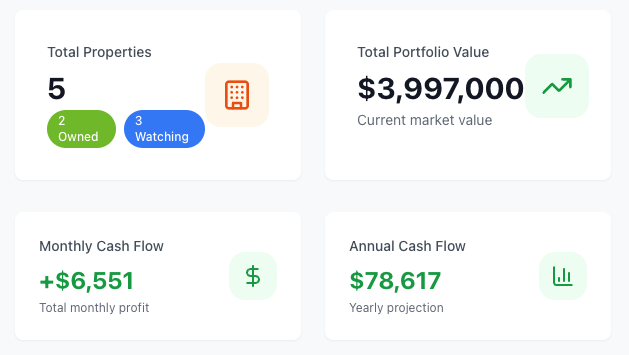
For those focused on rental property analysis, one platform worth exploring is Rental Optimizer (https://rentaloptimizer.com). It uses advanced, AI-driven insights to help you price rentals competitively, manage operations effectively, and minimize risk. Incorporating this kind of specialized tool can transform how you track returns, communicate with tenants, and plan for future improvements.
Once you begin relying on AI to handle tedious tasks and deep data analysis, you’ll have more bandwidth to refine your strategies and strengthen client relationships. With both technology and your expertise working side by side, your listings and your reputation stand to gain—and in an industry as fast-paced as real estate, that certainty is invaluable.
Make Smarter Rental Investments & Boost Profits
Use AI to Assess Opportunities
Compare Cap Rates & Cash Flows
Optimize Rental Income
RentalOptimizer.com