

Explore the power of AI in real estate lead generation
Artificial intelligence (AI) is changing every corner of the real estate industry, including how you attract and convert potential clients. With traditional methods—like cold calling, direct mail, or generic online ads—you may have poured valuable time into broad efforts with inconsistent returns. Now, AI real estate lead generation provides tools to identify, nurture, and follow up with leads more effectively than ever before.
When you understand how AI sorts through massive amounts of data and pinpoints the highest-value prospects, you can focus your attention on serious inquiries and separate them from the “tire-kickers.” In other words, AI helps make your sales funnel more predictable. And while adopting new technology might feel overwhelming, you will likely find that AI platforms simplify your lead generation process instead of complicating it. Ultimately, the goal is to get more qualified leads in less time, so you can devote your day to personal interactions that close the deal.
Recognize how AI streamlines prospecting
At its core, AI can handle repetitive or time-intensive tasks faster and more accurately than humans ever could. This advantage becomes especially clear in prospecting. Instead of buying a random lead list or canvassing neighborhoods, you rely on algorithms to sift through demographic and behavioral data that reveals patterns of interest in buying, selling, or renting properties.
You can think of it like having a personal assistant who never sleeps and continually scans the market for individuals who match your ideal client profile. The technology might pick up early signs of intent—like browsing real estate listings daily or frequently visiting mortgage calculators. By targeting these warm leads ahead of your competition, you start each conversation on a far stronger footing.
Data-driven insights
AI systems often tap multiple sources of data to gain a complete picture of prospective clients. For example, algorithms may track:
- Online search behavior, including keywords or property types researched
- Social media engagement around real estate or local housing news
- Lifestyle indicators such as job changes or family expansion
- Geographical movement patterns, including relocations or extended stays
These data points—considered individually—may not mean much. However, when combined through sophisticated AI, they paint a detailed portrait of someone who could soon be in the market for a new home or commercial property, allowing you to step in with timely guidance.
Discover key AI tools for lead generation
A range of AI-powered tools are reshaping how you collect and qualify leads. While each tool has its own strengths, they share one important trait: they free you to spend less time on manual tasks and more energy closing deals.
Chatbots for instant engagement
When site visitors have questions, they typically want immediate answers. AI chatbots help satisfy this need by offering on-demand assistance. A well-configured chatbot can respond to property inquiries, schedule showings, and even gather preliminary details about the prospect’s interests. Because chatbots never take a break, you can engage leads around the clock—facilitating the first interaction that often influences someone’s decision to work with you.
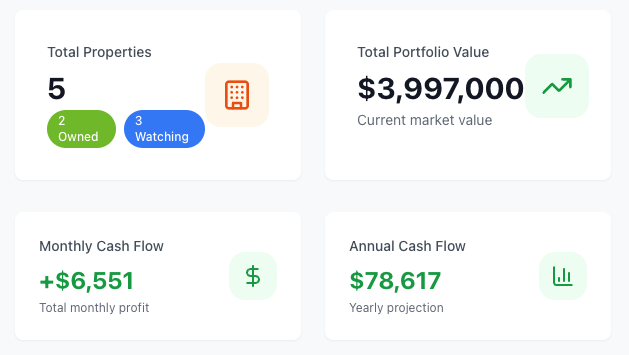
Make Smarter Rental Investments & Boost Profits
 Use AI to Assess Opportunities
Compare Cap Rates & Cash Flows
Optimize Rental Income
Use AI to Assess Opportunities
Compare Cap Rates & Cash Flows
Optimize Rental Income
RentalOptimizer.com
Predictive analytics
Predictive analytics leverages machine learning to anticipate a lead’s likelihood of conversion. The system studies past patterns of buyer or renter behavior—like how often they viewed online listings—and blends it with current market trends. The outcome is a forecast that flags who is most likely to become a paying client. This scoring method also helps you avoid wasting valuable resources on low-probability leads, especially when your marketing budget is tight.
CRM automation
AI-powered customer relationship management (CRM) platforms automate follow-ups, email campaigns, and lead assignment. Instead of manually tracking your pipeline, you can set rule-based triggers. For instance, if a prospective buyer attends two virtual tours in the same week, the system could automatically bump up their activity score and cue you to send them a personalized email. Over time, these micro-optimizations add up to transform your overall efficiency.
Apply proven AI strategies for stronger leads
Knowing which tools are available is only the starting point. To get the best results from AI real estate lead generation, you need to use the right strategies and integrate them effectively into your existing processes.
One common approach is tailoring content to your leads’ unique interests. If you have a batch of prospective investors focused on specific neighborhoods, an AI-driven email campaign could feature recently listed multifamily complexes that match those criteria. By treating each lead like an individual instead of a generic number in your database, you can improve engagement and speed up the journey from interest to action.
Segment your database
Lead segmentation is critical for speaking directly to each group’s needs. You might divide leads based on:
- Property type (luxury homes, starter homes, commercial spaces, rentals)
- Transaction stage (just browsing, pre-approved, actively making offers)
- Demographics (first-time buyer, growing family, retiree, investor)
- Location preferences (urban, suburban, rural)
This segmentation sets the stage for targeted messages that resonate with each audience. Over at artificial intelligence in real estate, you can explore more ways to refine your segmentation strategy. The key is using insights from each group’s online behavior, budget range, or location preferences to shape your outreach.
Personalize every contact
The biggest advantage of AI is automation at scale, but that does not mean your communications should feel impersonal. AI can automatically insert each prospect’s name, highlight relevant properties, and bring up data about their past interactions. When you combine this approach with genuine empathy—listening closely to the person’s concerns and addressing them directly—you create a strong rapport from the first exchange.
Integrate AI seamlessly with your real estate workflow
Whenever you introduce high-tech solutions into a traditional space, there is an inevitable adjustment period. You or your colleagues might worry about software complexity or fear losing the “human touch” that clients often crave. The good news is, modern AI solutions are designed with user experience in mind, so you do not have to be a data scientist to see real benefits.
Start small with pilot projects
You do not have to revamp your entire lead generation system overnight. Focus first on a single high-impact area, such as chatbot integration into your website. Track performance metrics like conversion rates or appointment bookings. If you begin to see notable improvements, you can replicate that success by expanding to other areas, such as predictive analytics for your email campaigns.
Encourage team collaboration
Well-orchestrated collaboration among real estate agents, marketing specialists, and tech staff ensures that AI tools work harmoniously with day-to-day operations. Hold regular check-ins to gather feedback from team members. If your sales representatives find that the AI platform flags too many irrelevant leads, you can adjust the algorithms’ criteria for more accurate filtering. Continuous iteration is the secret to maximizing your investments in technology.
Avoid common pitfalls and follow best practices
While AI real estate lead generation offers enormous benefits, it is not a magical cure-all. Like any powerful tool, it can backfire if used incorrectly or without the right framework. Keeping a few common pitfalls in mind helps you avoid frustration and maintain a solid ROI on your efforts.
Overreliance on automation
Automation can easily become a crutch. You still need to provide genuine insights that reassure clients they are working with a real person who understands their unique needs. Lean on AI for data processing and for the initial stages of contact, but keep that personal touch in your direct conversations. A prospect who feels heard and understood is more inclined to follow through with the transaction.
Insufficient training
Rolling out an AI solution does not end with installation. You must train your team on how to interpret AI-generated output, update leads in your CRM, and inject human nuance into conversations. If the platform flags a cold lead, for instance, you should not dismiss it without a closer look. Data might suggest the lead is less likely to convert, but real estate deals often turn on intangible factors like timing or personal preference. Make sure your team feels comfortable challenging AI suggestions when needed.
Ethical data use
In real estate, data privacy and compliance matter. Always ensure that the data you gather—through chatbots or website analytics—adheres to local and federal guidelines. Be transparent with your prospects about how their information is being used. By respecting privacy and security measures, you maintain trust, which is essential in this line of work.
Track your success metrics
Once you have integrated AI solutions into your lead generation process, it is critical to measure the outcomes. Clear success metrics help you calculate whether the time, money, and training you invested are truly paying off. It can also highlight areas for improvement—maybe your chatbot engages well with website visitors, but your predictive analytics model still needs refining.
Below is a quick reference table showing sample metrics you might monitor:
| Metric | What it Measures | Why it Matters |
|---|---|---|
| Conversion Rate | Percentage of leads who become clients | Indicates how effectively you nurture leads |
| Time to Conversion | How quickly leads progress through the funnel | Shows efficiency of your follow-up process |
| Engagement Rate | Click-throughs on emails, chatbot interactions | Gauges level of audience interest |
| Cost per Acquisition (CPA) | Average cost of converting a single lead | Helps you budget and forecast ROI |
By reviewing these metrics monthly or quarterly, you can align your strategy with real-world performance and make data-driven refinements.
Bring it all together
Your journey into AI real estate lead generation does not need to be complicated. Think of AI as a powerful enhancement to your existing strengths, rather than a replacement for human expertise. Start by adding one AI-powered tool, gather real-time feedback, and expand your approach as you see improvements in engagement and conversion.
If you want an even more specialized boost, check out the AI-Powered Rental Property Analysis Platform, Rental Optimizer (https://rentaloptimizer.com). This tool can help you evaluate individual properties for their rental potential, saving you even more time and effort in the search for lucrative investment opportunities.
A well-designed AI system serves as your unseen partner—sifting through countless data points, highlighting trends, and consistently presenting you with the best possible leads. When you combine those insights with a personal touch, you build trust and close deals in a fraction of the time. Real estate technology leaders like you can transform ordinary interactions into streamlined, data-rich conversations that bring you face to face with your highest-priority prospects. In the end, your success hinges on how well you blend high-tech tools with a genuine human connection. By getting that mix right, you stand out in a competitive market and achieve enduring results.
Make Smarter Rental Investments & Boost Profits
Use AI to Assess Opportunities
Compare Cap Rates & Cash Flows
Optimize Rental Income
RentalOptimizer.com