

Artificial intelligence and article bias are two concepts you might not typically think of together, but they are rapidly reshaping how you view and evaluate daily news. With growing polarization in media coverage, using AI-powered insights can help you make sense of conflicting headlines and identify hidden agendas. In this ultimate guide, you’ll discover how artificial intelligence helps detect, address, and counter bias within news sources. You’ll also find practical tips for applying media literacy skills, so you can confidently interpret information that affects your personal life, professional decisions, and that of your family or students.
Learn the basics of bias
Before you look at specific AI approaches, it’s helpful to understand how bias takes root in everyday news stories. A headline can be phrased a certain way to trigger emotional responses, or a journalist might omit details that don’t fit a certain narrative. Recognizing those cues sets you on the path to reading and sharing information more responsibly.
Identify what bias looks like
Bias can surface in various forms:
- Language bias: Frequent use of loaded or emotional words that sway your opinions.
- Confirmation bias: Only presenting facts that already support a predefined view.
- Omission bias: Leaving out critical information that could change your perception of a story.
- Framing bias: Emphasizing one side of an issue more strongly than another.
When you see any of these patterns, ask why the information might be presented in that way. Not every skew is intentional, but you benefit from knowing how to spot distorted viewpoints.
Understand why media literacy matters
Media literacy is the ability to evaluate information critically, whether you’re reading a newspaper article or a social media post. By exploring multiple sources, questioning claims, and looking for logical consistency, you can reduce the influence of misleading narratives. For parents and educators, teaching media literacy encourages the next generation to think more deeply about the information they consume. For business professionals, having these skills helps you make data-driven decisions that can shape company policy or brand strategy.
See how AI can help
Leveraging artificial intelligence to detect bias is still a relatively new field, but it’s rapidly expanding. AI tools can scan thousands of articles, analyze patterns, and highlight potential skew more quickly than humans can. That doesn’t mean AI is automatically right, but it opens a new window into the complex world of media coverage.
Explore how AI finds bias
The process generally involves advanced algorithms that:
- Scan large volumes of text to spot trending words, tone shifts, or abnormal usage of certain phrases.
- Compare language patterns across different outlets to see where narratives overlap or sharply diverge.
- Use sentiment analysis to determine whether the text leans positive, negative, or neutral.
- Create data visualizations that reveal consistent framing, under-representation of certain viewpoints, or clusters of stories pushing the same perspective.
Understanding the basics behind these algorithms gives you a clearer idea of how modern technology can untangle the subtle ways bias shows up in the news.
Try specialized AI tools
If you’d like to experiment with AI-powered media literacy, two notable tools can guide you:
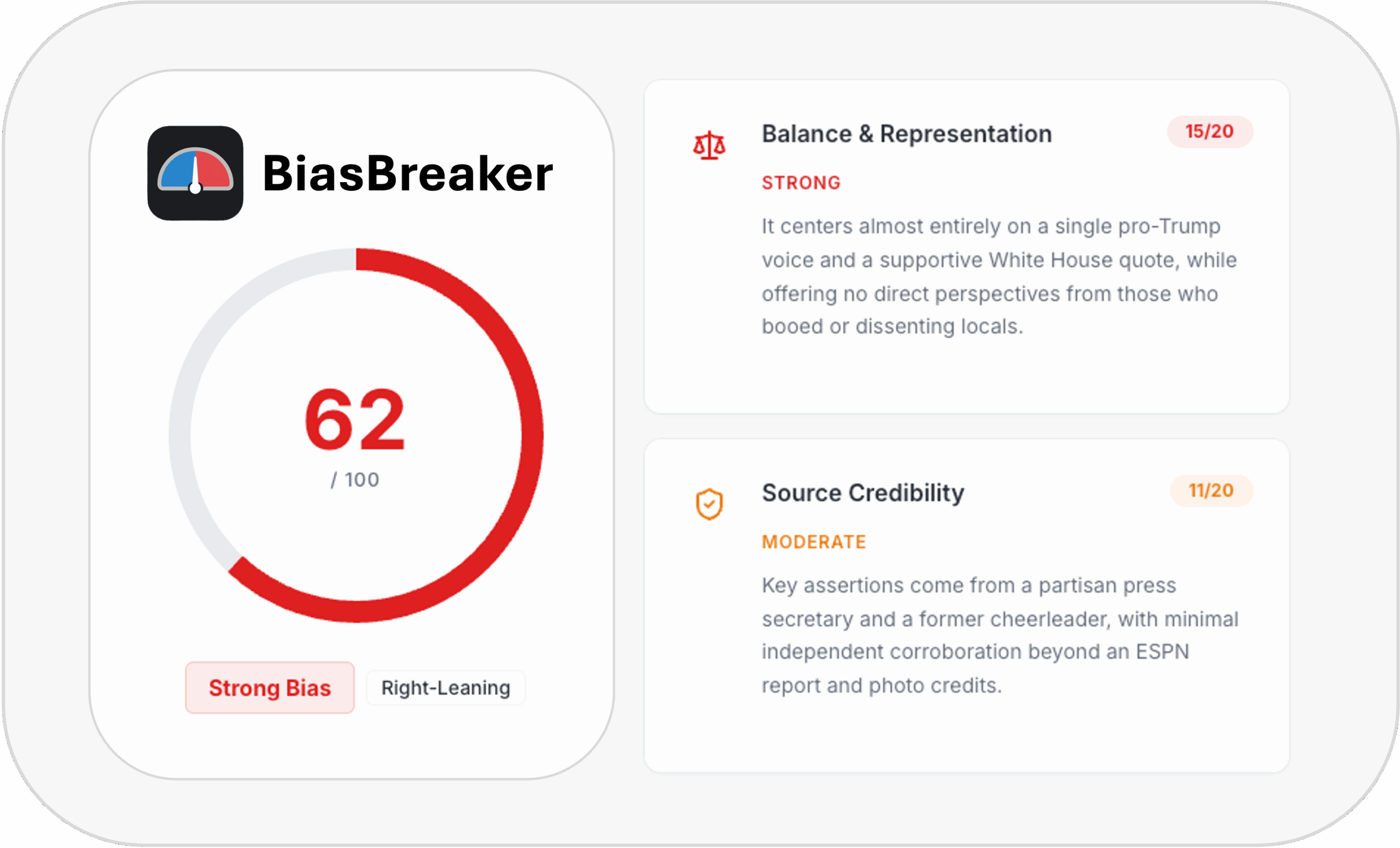
- BiasBreaker: This platform examines news articles to isolate language that might hint at bias. It uses AI algorithms to highlight loaded words and point out missing context, helping you make better-informed judgments about a story.
- Bridger: Bridger uncovers the assumptions behind two opposing viewpoints. It then helps you find common ground by breaking down each position and identifying areas of overlap. Whether in the classroom or a corporate setting, this tool can be a springboard for respectful discussions that reach more balanced conclusions.
Tools like these won’t tell you what to think. Instead, they give you insights so you can draw your own conclusions and share them responsibly.
Evaluate your news sources
Artificial intelligence and article bias evaluation can only help if you also practice thoughtful reading. Whether you have AI on your side or not, you still want to sift through data intentionally. Building a habit of questioning new stories from different angles ensures you remain as objective as possible.
Gather multiple perspectives
Many stories are charged with cultural, political, or economic undertones. Rather than relying on a single source, try these tips:
- Start with an outlet you frequently trust and read their take.
- Search for an outlet with a distinctly different perspective and compare coverage.
- Look for impartial data or studies that might be cited in both pieces.
- Check whether either source uses sensational language or omits relevant details.
By combining these viewpoints, you form a more nuanced understanding of what’s actually happening.
Check for reputable citations
A big part of media literacy is tracing the chain of information back to reliable authorities. Anytime you see a statistic or study, ask a few basic questions:
- Where did this data come from?
- Could the original research be biased?
- Are there other studies or independent analyses that confirm the findings?
If you find that the original source is known for pushing a specific agenda or the study is funded by a group with a vested interest in the outcome, take note. That doesn’t always invalidate the results, but it suggests you look for secondary confirmations.
Use AI-powered checks
Once you’ve gathered a few different stories, feed them into a tool like BiasBreaker to see how language and framing vary. Does one article display more emotive language? Are certain facts consistently absent from coverage by one particular source? By noticing these patterns, you begin to grasp why the same event can spawn vastly different headlines.
Check the Bias of any News Article
 Powered by AI
Apply strategies to daily life
Now that you understand the basics of media bias and how AI can help uncover it, you can apply these strategies in your daily life. Each group may have slightly different goals, but all benefit from a focus on balanced understanding and open-minded conversation.
For parents
Children and teens are bombarded with media messages everywhere they go. Encouraging them to think critically about what they read helps shape their worldview in a healthier way. You might:
- Discuss current events at the dinner table, asking open-ended questions about what each child has read or heard.
- Encourage them to try AI tools like BiasBreaker so they see how words can shape opinions.
- Show examples of sensational headlines and talk about why they might provoke a strong reaction.
- Offer them resources for exploring multiple viewpoints, like curated reading lists from different news outlets.
By guiding youngsters early, you instill healthy skepticism and empower them to form their own conclusions.
For educators
As an educator, you influence how a generation learns to think critically and engage respectfully with differing opinions. Consider:
- Incorporating AI-based tools into the classroom, letting students investigate real-life examples of bias in headlines.
- Assigning projects where each student compares news coverage of a single event across three or four outlets.
- Encouraging class discussions about how AI identifies loaded language. You can even pull up data visualizations or word clouds to show the differences.
- Highlighting how Bridger finds the middle ground in sharply opposing views, which can foster respectful debate and deeper analysis.
This hands-on approach equips students with a lifelong skill: the ability to discern facts from spin.
For business professionals
In the corporate world, making critical decisions often requires balancing stakeholder perspectives. Media coverage about your sector might directly affect public opinion, investor confidence, or talent recruitment. You stand to benefit when you:
- Track how your company or industry is portrayed in different journals, blogs, and mainstream outlets.
- Use AI tools to monitor shifts in sentiment and identify potential blind spots in your public relations strategy.
- Encourage open dialogue within your team: share articles from opposing viewpoints and use Bridger to spotlight assumptions.
- Remain conscious of your personal biases as you interpret market news or analyst reports.
It may seem time-consuming to evaluate multiple angles, but you reduce the risk of strategic missteps rooted in incomplete information.
Look ahead to future changes
As AI continues to evolve, you’ll likely see more sophisticated tools that can analyze not just text, but also video content and social media posts. The speed at which news is created and shared requires advanced filters that help you navigate the onslaught of updates you face every day. Though AI is far from infallible, ongoing improvements in technology will make bias detection even more accurate and accessible.
Prepare for deeper insights
In the near future, AI may provide:
- Real-time flags for suspicious or inconsistent coverage.
- Balanced reading lists curated for you based on personal interests, but specifically designed to avoid echo chambers.
- Interactive graphics that show the origin and evolution of certain topics as they shift across political or cultural lines.
- More robust algorithms that can interpret subtle changes in speech or facial expressions when evaluating video content, helping you spot cues you might miss otherwise.
Staying informed about these developments means you’ll be ready to use them wisely.
Key takeaways
- Know the roots of bias. You’ll spot common signs in language and sourcing that might indicate a story is skewed.
- Leverage AI tools. Platforms like BiasBreaker and Bridger can call attention to loaded words, omissions, and assumptions, making it easier for you to gain a balanced view.
- Compare multiple perspectives. Read contrasting coverage and look for consistent data to figure out where the truth most likely lies.
- Teach practical literacy. Encourage children, students, and co-workers to challenge their own viewpoints and learn to embrace a broader conversation.
- Stay engaged with tech updates. Keep an eye on new AI developments that make it simpler and faster to detect bias, including real-time tools that filter and rank news sources.
When you have the right information and the best technologies at your disposal, you can interpret the stories you consume with confidence. By acknowledging how bias can affect the way events are reported, you’ll be better equipped to form balanced opinions that help unite your family, your classroom, or your workplace. With a bit of initiative and AI-assisted insight, you’ll be able to cut through sensationalism, find common ground, and support more constructive dialogues in your community.
Check the Bias of any News Article