

Artificial intelligence in real estate has rapidly evolved from a futuristic concept into a practical toolset you can use every day. Whether you manage a brokerage, run a tech-forward property management agency, or specialize in real estate data analysis, you are probably discovering the value of leveraging advanced algorithms for more accurate forecasting, improved client service, and operational efficiency. Adopting AI helps you analyze complex property data, streamline lead generation, and stay ahead of changing market demands.
By weaving machine learning models into your workflows, you gain insights that would otherwise require exhaustive manual research. The result is a real estate business ready to serve investors, buyers, and tenants more effectively. You also free up time for tasks that truly benefit from human expertise—like negotiating deals or nurturing lasting client relationships. As you read on, you will see how different AI capabilities can fuel your growth, saving you time, money, and countless hours of guesswork.
Understand AI’s role in real estate
Artificial intelligence helps you make data-backed decisions at each stage of the real estate process. With the massive influx of data—from property listings to neighborhood stats—sorting everything out by hand is prone to errors. AI steps in to organize, analyze, and learn from this data, putting your agency in a stronger position for both daily tasks and future expansions.
One significant advantage is how AI refines pricing strategies by evaluating current and historical market trends. This technology allows you to gauge whether a property is undervalued or overpriced, empowering you to recommend fair listing prices and optimize investment returns. AI-based solutions can even account for external factors like local development projects or changes in mortgage lending, making your valuations more precise.
Predictive analytics in the real estate sector feed on vast amounts of data to forecast market movements. If you are curious about how predictive models can shape your strategy, you may want to explore other resources, such as predictive analytics in real estate. Integrating these insights helps you detail a plan that maximizes profit and mitigates risk across your portfolio. Ultimately, AI frees you from labor-intensive tasks and enables you to focus on building stronger relationships with clients.
Explore data-driven insights
The real estate market runs on data—property prices, neighborhood profiles, demographics, rental rates, and even search engine trends all determine whether a deal moves forward. By using AI tools, you can consolidate and interpret these data points more accurately than ever. When you layer machine learning algorithms on top of historical records and current listings, patterns begin to emerge that can reshape your entire approach to scouting, evaluating, and marketing properties.
To illustrate how AI translates numbers into actionable advice, consider how AI can inform targeted marketing efforts. If, for example, you are focusing on upselling larger homes in a specific neighborhood, data analytics might reveal that buyers in that area value energy efficiency over extensive landscaping. You could then tailor your listing descriptions, highlight solar panels, or mention cost-saving insulation. This level of specificity resonates with potential buyers and can raise closing rates.
Data-driven insights also boost your confidence in offering timely advice. When a client asks whether a property has a high growth potential, you can back your answer with localized market data, predictive trends, and comparable sales. For deeper analysis, solutions like ai real estate market analysis enable you to run more accurate forecasts, helping you support recommendations with quantifiable evidence. The more precise you are, the more trust you build with clients—and trust is a powerful differentiator in any crowded real estate market.
Make Smarter Rental Investments & Boost Profits
 Use AI to Assess Opportunities
Compare Cap Rates & Cash Flows
Optimize Rental Income
Use AI to Assess Opportunities
Compare Cap Rates & Cash Flows
Optimize Rental Income
RentalOptimizer.com
Transform lead generation strategies
Securing new clients is a vital part of growing your real estate business, and this is where artificial intelligence can transform your entire lead generation process. Intelligent chatbots, for instance, can handle basic inquiries and follow-up tasks at any hour, so you never miss a lead. By setting clear parameters, these digital assistants can identify promising homebuyers or sellers and pass them on to you for personalized follow-up.
AI solutions also help you segment potential clients based on factors like budget range, property type, and location preferences. Perhaps you run an advertising campaign that drives visitors to your site—machine learning models can analyze these web traffic patterns to help you focus on your most valuable leads. Leveraging ai real estate lead generation tools lets you prioritize time and resources toward relationships that are more likely to become successful transactions.
When you integrate AI into content marketing and email automation, you can personalize your messages for different audience segments. Instead of sending generic listings to everyone, AI helps you match each client’s unique preferences with relevant properties. Over time, the system learns from user responses, refining its recommendations with each interaction. This level of customization can drastically improve your conversion rates, since you reach each lead with the right message at the right moment.
Manage properties more efficiently
If your responsibilities involve overseeing rentals or large portfolios, making the jump to AI-driven property management can be a game changer. Routine tasks like rent collection, maintenance scheduling, and tenant screening can all benefit from automation that raises productivity and reduces administrative burdens. You can learn more about the different software options and best practices by investigating ai-driven property management resources.
One critical advantage comes from AI-based maintenance tracking systems. By analyzing data from smart sensors—whether they measure temperature, humidity, or mechanical stress—these tools can flag potential issues before they turn into expensive repairs. As a result, you reduce downtime, keep tenants happier, and nurture stronger long-term relationships with property owners.
If you want to take property management one step further, consider adopting automated lease renewal and turnover workflows. AI tools can set notifications for upcoming renewal periods, generate new contracts, and even handle digital signatures. With your repetitive tasks handled, your team can concentrate on delivering high-value services like property showings and tenant relations, which often demand a personal touch.
Improve decision-making with automation
Automation does more than save you time—it can improve the quality of your decisions in nearly every aspect of real estate. For instance, AI can assist with underwriting and risk assessment by analyzing a borrower’s financial history and running advanced checks against real estate data. This ability to vet clients quickly becomes especially useful for lenders, brokers, or property owners who want to minimize risk before finalizing any agreements.
In real estate investing, automation can expedite how you search for and evaluate emerging neighborhoods. Instead of sifting through endless datasets, you can rely on machine learning real estate applications to aggregate data from multiple sources. These might include market performance indicators, local economic statistics, and even social media sentiment about developing areas. With the time saved, imagine how much more efficiently you can expand your portfolio or advise your clients on the next big opportunity.
Automation is also key for accurate documentation and compliance, particularly where regulations are strict. By using AI to auto-check contracts or monitor changes in local housing laws, you stand less chance of missing a critical detail. As your business grows, scaling these systems remains straightforward because AI tools are designed to handle increasing volumes of data. You avoid bottlenecks that often slow down human-led processes and keep your clients happy with consistent, timely service.
Here are a few ways AI-fueled automation can elevate your daily activities:
- Digitize and analyze large sets of property records with minimal errors
- Automate email or text reminders about important deadlines
- Generate real-time market predictions to guide fast decisions
- Streamline compliance checks and avoid legal slowdowns
- Use natural language processing to extract insights from property documents
Better decision-making starts with freeing yourself from repetitive tasks. As you rely more on AI, you can devote energy to complex negotiations or strategic planning, putting human ingenuity where it counts most.
Embrace the future of real estate
Artificial intelligence represents more than a passing trend in real estate. It is a shift in how you match people with properties, manage assets, and plan for market changes. Once you see how AI applications can strengthen your existing methods, you may quickly wonder how you ever functioned without them.
Keeping track of the most recent developments helps you identify the next wave of AI solutions. Platforms that bundle real estate ai technology, ai-powered real estate tools, or real estate automation with ai often come with user-friendly interfaces and in-depth support. You do not need a degree in computer science to take advantage of these resources. If you have a clear goal—such as speeding up your market analysis or maximizing rental income—there is almost certainly an AI solution designed to assist you.
As you plan for tomorrow, you could also explore topics like artificial intelligence real estate trends. Studying new developments keeps you at the forefront of innovation, an important advantage for tight markets. You might discover next-generation chatbots that handle property tours virtually, or advanced analytics that detect subtle shifts in buyer sentiment. With each AI breakthrough, your real estate practice can remain resilient in a rapidly evolving landscape.
A note on specialized rental insights
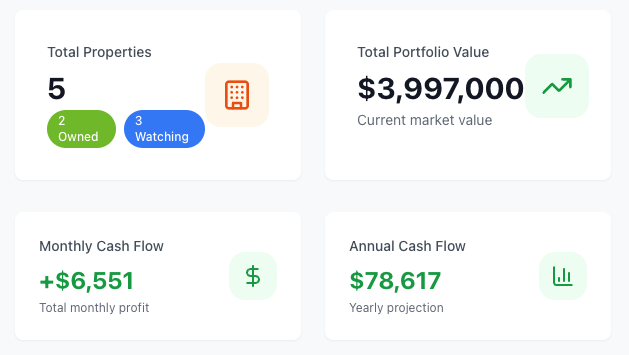
If you manage rental properties or large portfolios, you know that occupant retention and optimized rent pricing can make or break your financial returns. New AI offerings, such as Rental Optimizer, can give you detailed analysis of rental rates, tenant behavior, and operational costs. Tools like this provide a centralized view of your entire portfolio, predicting the best times to adjust rents or consider property upgrades. You can learn more about their service at Rental Optimizer. Embracing specialized platforms is another way to ensure you are reaping the maximum benefits from AI.
As you move forward, weighing the advantages of artificial intelligence in real estate is no longer optional. From powerful predictive analytics tools to risk assessment platforms, AI accelerates your decision-making, drives your lead generation, and optimizes property management. By adopting these technologies, you keep your business versatile and prepared for whatever challenges and opportunities the market delivers tomorrow. Whether you are an independent agent or a large agency, the benefits of AI pave the way for sustainable growth and lasting client satisfaction.
Make Smarter Rental Investments & Boost Profits
Use AI to Assess Opportunities
Compare Cap Rates & Cash Flows
Optimize Rental Income
RentalOptimizer.com