

Property investment AI algorithms have rapidly become a game-changer in real estate. As a real estate professional, you can tap into these powerful technologies to identify lucrative opportunities, streamline property analysis, and plan a smarter portfolio strategy. While you may already use spreadsheets or basic market research tools, today’s sophisticated AI systems help you comb through vast amounts of data effortlessly. They also offer predictive insights that can save you time and spare you from costly mistakes.
As you explore the best property investment AI algorithms for your real estate practice, you’ll gain a clearer understanding of the many moving parts involved in successful property investment. From comparing rental yields to forecasting neighborhood growth, AI-driven software simplifies the tasks you once had to manage manually. Below, you’ll discover the building blocks of AI-based property analysis, ways to measure potential returns more precisely, and how to chart a more effective path to long-term profitability.
Understand the basics
Before you dive deeper into property investment AI algorithms, it helps to know what sets these solutions apart. Traditionally, you might have relied on manual calculations to work out rental returns, review historical trends, and gauge the likelihood of tenant turnover. This approach can be time-consuming, and you run the risk of overlooking crucial market details. By contrast, AI automates these tasks, combining machine learning, big data, and advanced analytics so you don’t have to crunch every number yourself.
AI-powered tools sift through massive data sets, analyzing everything from neighborhood demographics to comparable rental rates. This broader data scope allows the software to give you real-time suggestions and identify patterns you might miss on your own. The more data the system processes, the sharper its insights become, which translates to increasingly accurate predictions about property performance over time.
As a busy real estate investor, you want to focus on evaluating deals, crafting strategies, and forging relationships. AI handles the behind-the-scenes legwork and flags potential pitfalls, such as rising vacancy rates or unexpected maintenance costs. By relieving you of repetitive tasks, AI frees you up to refine your investment approach. You can then make better decisions about which properties to buy and how to maximize long-term returns.
At the heart of these AI systems are algorithms designed to learn and adapt. Think of them as digital assistants continuously studying the market. With each new data point, the algorithms become more adept at identifying subtle signals—like an upcoming neighborhood transformation or emerging buyer preferences. Because this technology evolves over time, you benefit from an ever-improving perspective on the real estate market.
Discover the benefits
Property investment AI algorithms offer distinct benefits that can help you gain a competitive edge. From improved accuracy to time savings, these systems keep you focused on the tasks that add the most value to your portfolio.
- Faster property analysis
Without AI, you could spend weeks researching a single property. AI allows you to pull data on multiple properties at once, reviewing location-based insights, historical sales records, rental comps, and more at the click of a button. You’ll quickly spot underpriced listings or promising neighborhoods undergoing growth, so you can act decisively while others are still gathering information. - More reliable valuations
Every property is unique, which makes valuation tricky. AI uses sophisticated modeling to factor in details like school districts, local infrastructure developments, and even weather patterns. As a result, you get a more precise idea of a home’s current worth and potential future value, boosting your confidence when you make an offer or negotiate terms. - Proactive risk management
By analyzing thousands of historical and real-time data points, AI can identify trends linked to higher vacancy rates, sudden dips in property value, or increased maintenance costs. You’ll receive early warnings about possible market disruptions or property-level challenges, which helps you allocate resources more effectively and reduce unpleasant surprises.
Use property investment AI algorithms
Choosing the right AI solution can make all the difference in how you integrate this technology into your workflow. Some investors prefer basic applications that automate rent calculations or tax estimates, while others rely on more robust platforms that include predictive analytics and portfolio tracking. Regardless of your preference, the main idea is to find a tool that meets your unique investment goals and comfort level with technology.
Rental Optimizer (https://rentaloptimizer.com) is one example of this new breed of AI-powered applications. It specializes in rental property analysis and portfolio tracking, supplying everything from local market performance to profit projections for various property types. This platform’s user-friendly interface also allows you to set custom metrics—such as net operating income or cash flow targets—so you can see if a deal aligns with your objectives right away.
When evaluating solutions like Rental Optimizer, pay attention to these features:
- Data coverage: Look for software that examines national, regional, and neighborhood-level data.
- Predictive modeling: Confirm the tool can forecast rental demand, property values, and other forward-looking metrics.
- Scalability: Make sure it scales with your portfolio, whether you manage a handful of properties or dozens.
- Integrations: Check if it can connect with other services you use, such as property management software or spreadsheet programs.
You’ll also want to look at how frequently the AI system updates. Markets move quickly, and stale data may result in flawed predictions. A solid AI-powered solution typically refreshes at regular intervals, feeding the platform fresh information on everything from interest rates to local zoning updates.
Make Smarter Rental Investments & Boost Profits
 Use AI to Assess Opportunities
Compare Cap Rates & Cash Flows
Optimize Rental Income
Use AI to Assess Opportunities
Compare Cap Rates & Cash Flows
Optimize Rental Income
RentalOptimizer.com
Enhance your decision making
By incorporating property investment AI algorithms, you strengthen your ability to make strategic choices about which properties to acquire, how much to spend on renovations, and where the best returns are likely to emerge. Rather than basing decisions on gut feeling alone, you’ll use data-driven insights that illuminate long-term trends.
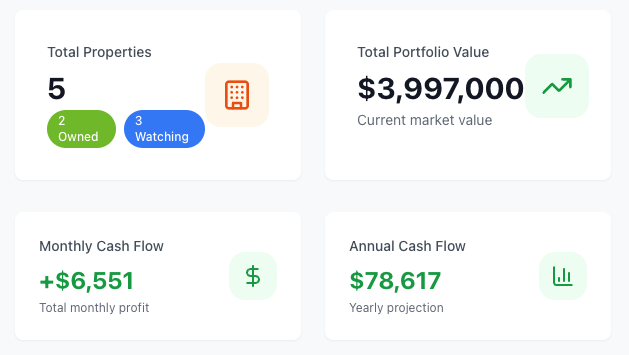
That data advantage can be especially helpful when you’re comparing multiple deals side by side. Instead of juggling countless spreadsheets and mental notes, you can rely on your AI-based software to streamline the review process. Within a single dashboard, you might see metrics like projected cash flow, potential appreciation, and average rental days on market for each property. As a result, you won’t have to do repetitive manual calculations or risk mixing up numbers across different data sets.
It’s also valuable to harness AI’s ability to run different predictive scenarios. For example, if you want to see how a 1% increase in mortgage interest rates might affect your bottom line, an AI tool can quickly simulate new monthly payments and recalculate anticipated cash flow. Likewise, you can test the impact of raising rents, changing property managers, or remodels that boost tenant satisfaction. By systematically comparing various outcomes, you gain greater clarity on which moves will most effectively meet your goals.
In some cases, you might determine that a property you initially overlooked is actually a diamond in the rough. An algorithm may spot an up-and-coming neighborhood, rising employment rates, or a planned commercial development that hasn’t yet made headlines. Armed with that knowledge, you can step in early, negotiate a favorable asking price, and potentially earn big returns before the broader market catches up.
Stay ahead of trends
Real estate markets are ever-evolving, and staying ahead of emerging trends can make a major difference in your long-term results. You probably already keep an eye on local news or subscribe to industry reports, but AI solutions let you dig much deeper and process changes much faster.
For instance, AI systems can track data on population shifts, local job growth, and housing supply levels that often signal imminent changes in property values or rental demand. Instead of analyzing these factors manually, you rely on the software to highlight the correlations that matter most. You might discover, for example, that a city’s new technology hub is driving demand for higher-end rental units near public transit. With that insight on hand, you could snap up properties before prices surge.
This kind of proactive market intelligence isn’t limited to big cities, either. Smaller towns frequently have hidden pockets of opportunity. An AI tool can spotlight emerging neighborhoods based on early indicators—like the arrival of trendy restaurants or improvements in public infrastructure—giving you the confidence to expand your search radius. By the time other investors catch on, you could be well-positioned to sell or refinance a property at a premium.
Below is a quick snapshot of how AI helps you monitor local and national trends:
| Traditional Approach | AI-Driven Approach |
|---|---|
| Manually read news articles | Automated real-time trend analysis |
| Scan a few popular listing sites | Pull extensive data from multiple APIs |
| Wait for monthly market reports | Receive live market updates |
| Rely on general industry insights | Get niche, property-level alerts |
When you have this level of automated analysis in your corner, it’s far easier to pivot your strategy or refine your portfolio in near-real time.
Build a data driven portfolio
Whether you’ve been investing in real estate for years or you’re just starting out, AI-powered solutions can help you create a more resilient, data-driven portfolio. This approach ensures each property aligns with your financial objectives, risk tolerance, and time horizon.
First, set clear performance benchmarks. For example, decide on your ideal rate of return or acceptable time to break even on upgrades. Then plug these metrics into your AI solutions. By tracking progress against those benchmarks, you’ll see which properties are exceeding expectations and which might be falling behind. You can either adjust your game plan—such as raising rents or refining your marketing approach—or reevaluate whether holding onto the property makes sense.
With the right AI tools, you can also diversify more effectively. They may highlight investment opportunities in different cities or types of properties (single-family homes versus condos or multifamily units) that complement your existing portfolio mix. As you accumulate more properties, these algorithms can help rebalance your holdings, advising you to sell those properties that have peaked or to reinvest in markets that still have room to grow.
You’ll also appreciate the streamlined reporting. It’s easy to lose track of monthly income, repairs, and taxes when juggling multiple properties. By centralizing all your data in a single AI-driven platform, you get a clear view of overall performance at a glance. This approach not only reduces the risk of miscalculation but also saves you countless hours of manual data gathering.
Plan your next steps
As you’ve probably gathered, property investment AI algorithms help you become a more strategic and agile real estate investor. Where do you go from here? Start by identifying a few tools that align with your investment style. If you’re targeting rental properties, consider a platform like Rental Optimizer (https://rentaloptimizer.com) to begin exploring how real-time analytics can elevate your portfolio decisions.
Next, commit to a trial run. Tools often offer limited free trials or demos, which let you see exactly how the software processes your data. If you manage several properties, input their details to gauge projected growth and rent potential. Compare these AI-driven insights with your current approach to spot areas for improvement. You may spot features you wish you’d been using all along, such as automated alerts for newly listed properties that match your preferred criteria.
Finally, integrate your chosen AI solution into your daily or weekly workflow. Schedule a regular time to review the software’s updates, analyze forecast reports, and adjust your plans accordingly. Even setting aside 30 minutes a day for this kind of review can dramatically improve your decision making. Over time, you’ll discover a rhythm that suits your investment goals without feeling overwhelming.
The world of real estate is uniquely dynamic. As supply, demand, and consumer preferences change, property investment AI algorithms give you the advantage of continuous learning and quick adaptation. By embracing these powerful technologies, you’re better equipped to seize the right opportunities, fine-tune your portfolio, and ultimately achieve greater stability in an otherwise unpredictable marketplace.
Make Smarter Rental Investments & Boost Profits
Use AI to Assess Opportunities
Compare Cap Rates & Cash Flows
Optimize Rental Income
RentalOptimizer.com