
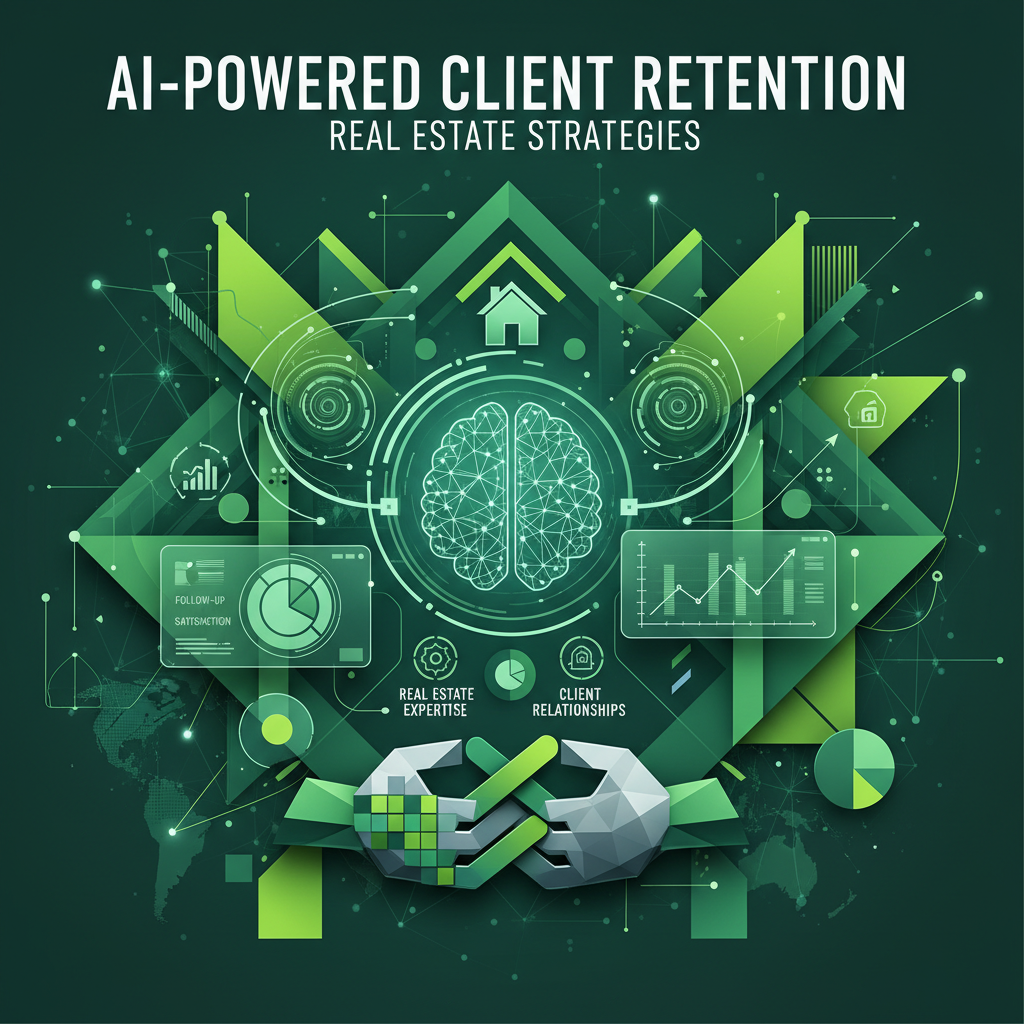
Your real estate clients have more options than ever in today’s fast-paced, AI-powered market. They expect high-tech analysis, user-friendly reports, and ongoing communication that simplifies their home-buying or selling journey. Mastering real estate client retention strategies is essential if you want to stand out and keep relationships strong. With the right blend of technology, personalization, and consistency, you can remain top of mind even in a crowded market.
Understand the shifting landscape
The real estate field has changed significantly. Buyers and sellers often begin their research online and come prepared with neighborhood data and pricing tools. By the time they reach you, they already have high expectations for service, speed, and professional insight.
To address these expectations, you need to recognize just how fiercely competitive this environment is. Whether you focus on a niche market or handle multiple property types, you’re vying for attention against tech-savvy agents who may already use advanced reporting and automated marketing tools. It’s vital to align yourself with this new reality. This doesn’t mean you need to become a software whiz overnight. Instead, you should explore user-friendly tools that can highlight your expertise more efficiently.
Understanding the new landscape also means recognizing that your clients are not just looking for a property, but for a personalized experience. Exceptional follow-up, empathy, and the ability to anticipate questions all factor into how well you retain clients. Even small gestures like remembering key preferences or sending targeted neighborhood insights can immediately show that you’re in tune with their concerns and willing to provide ongoing support.
Use technology for relationships
Embracing technology doesn’t have to be daunting. The goal is to leverage digital tools that offer better ways of communicating with your clients, not to replace your personal touch with robotic responses. A consistent client relationship management (CRM) system can help you track interactions, birthdays, home anniversaries, and important follow-up tasks, making it easier for you to maintain strong, meaningful connections.
One important aspect of using technology is showing clients how it benefits them. If you’re scheduling appointments, let them know you’ll send automated emails or text reminders so they’re never left waiting in confusion. If you’re sharing listings, provide them with interactive tours or digital property brochures that they can browse at their convenience. By seamlessly integrating technology into your routine, you free up more time to deliver personal attention—like calling to check in on a family’s house-hunting progress or emailing a tailored neighborhood report.
Your goal is to strengthen client retention, not bury people under apps and platforms they don’t find useful. Talk openly with clients about the tech they prefer. Some may love texting and video meetings. Others might prefer phone calls and printable brochures. Embracing multiple forms of communication ensures you stay relevant and remain easy to reach, increasing the likelihood they’ll keep you in mind.
Provide data-driven insights
Modern buyers and sellers often seek hyper-local data—ranging from average square footage prices to how quickly homes in a specific area sell. Providing this type of detailed insight positions you as a local expert. If potential clients suddenly realize you have more precise analysis than competing agents, they’ll remain loyal because they trust your knowledge.
Working with AI can simplify how you gather and share property data. For example, you can use a tool that automatically compiles relevant real estate statistics for each neighborhood. Some platforms even predict how a property’s value might change in a given timeframe. The key is to interpret that data in a way that resonates with your clients. Don’t just send a spreadsheet brimming with numbers—explain how these figures relate to their personal goals.
Consider turning the data into short, digestible highlights, comparing options in a side-by-side format. Instead of overwhelming them with a dozen paragraphs of unorganized information, aim for clarity and brevity. By providing relevant data that’s easy to grasp, you show clients how you’re leveraging the best of today’s capabilities to keep them well informed.
Make Smarter Rental Investments & Boost Profits
 Use AI to Assess Opportunities
Compare Cap Rates & Cash Flows
Optimize Rental Income
Use AI to Assess Opportunities
Compare Cap Rates & Cash Flows
Optimize Rental Income
RentalOptimizer.com
Keep AI tools simple
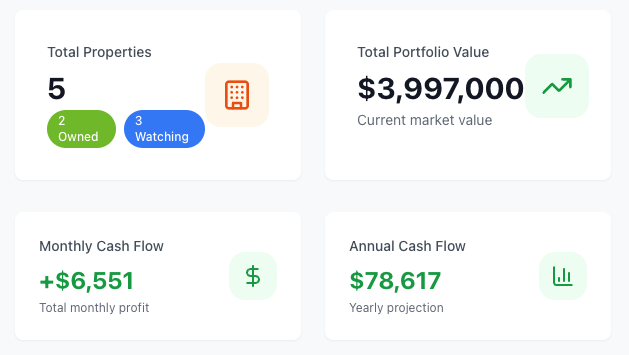
You may worry that AI tools require extensive training or a technical background, but in many cases, that’s not true. The best ones have intuitive user interfaces that do the heavy lifting for you. For instance, if you’re analyzing potential rental yields or local market trends, you can use a platform like Rental Optimizer (https://rentaloptimizer.com). It offers user-friendly dashboards and predictive analytics, so you can quickly show your clients where competitive price points stand without juggling multiple software systems.
When you demonstrate that you can provide advanced insights without making the process complicated, clients feel more at ease trusting your expertise. AI can help you spot future trends in your local market, identify optimal price brackets, or predict how seasonal shifts might affect a listing’s desirability. These features can become talking points that differentiate you from other agents who don’t highlight such data.
Remember, “simple” doesn’t mean limited. It means streamlined. Tools like Rental Optimizer give you valuable market intelligence in a format that’s straightforward for both you and your clients. By incorporating an easy-to-use AI tool, you’re not only improving your own efficiency but also reinforcing how tech-savvy you are to current and prospective clients.
Deliver easy PDF reports
In this era of big data, people may assume large spreadsheets or intricate charts are the only options. However, many clients prefer to receive easy-to-read PDF reports. Presenting consolidated information in a visually appealing way can make all the difference in their experience.
Imagine delivering a branded document that shows a property’s strengths, comparable listings, and projected financial outcomes at a glance. Including charts and graphs is beneficial, as long as they’re clean and clearly labeled. This format helps you stand out as a professional who understands the importance of clarity, especially for clients who might be less comfortable with navigating complex software themselves.
PDFs can also be saved and shared easily. If a client wants to discuss the property with a partner, they can email the PDF without losing the formatting. If you want to revisit the details of a deal down the road, you have a concise record of what you presented. This approach creates a seamless client experience that balances advanced data usage with user-friendliness.
Offer ongoing education
Part of retaining clients means giving them reasons to stay connected and to see you as a go-to source of market knowledge. Offering ongoing education can be as simple as sharing monthly email tips on real estate trends or hosting short webinars on topics like “Preparing Your Home for a Spring Sale.”
When clients see you providing consistent, valuable information, they’ll think of you long after the initial purchase or sale. You can introduce them to basic AI-driven tools or show them how to read market analysis without feeling overwhelmed. Been working with first-time buyers? Send them articles explaining the financial and legal aspects of buying a home in plain language.
Here are a few ways to keep them learning:
- Email mini-updates about interest rate changes and how they affect buying power
- Create how-to guides for property staging and share them as downloadable PDFs
- Host a Q&A session online to address burning questions about your local market
By turning learning into an ongoing process rather than a one-time event, you make clients feel supported. They’re also more inclined to send referrals your way when friends or family members ask for an agent whose expertise goes “beyond the basics.”
Stay consistent with follow-ups
Even the best data reports and advanced tools won’t help much if you don’t keep in touch regularly. Sustained communication is one of the most straightforward real estate client retention strategies you can apply. Whether you prefer email check-ins, phone calls, or short texts, ensure you schedule them consistently and don’t wait until your client’s next move to reconnect.
You may consider automating reminders so you never forget an important milestone. A property’s valuation might shift significantly after a couple of years, for example, and letting your clients know there’s an opportunity to refinance or sell at a profit keeps you top of mind. By touching base regularly, you build trust and strengthen relationships, encouraging your clients to reach out whenever they need any new service or advice.
Don’t wait for your clients to contact you first. Small gestures—like sending a personalized holiday greeting or emailing a local market update—can make a big difference in how your professionalism is perceived. If you’ve built a friendly rapport, you’ll find these conversations flow naturally. Even if they turn out to be quick updates, consistent follow-ups can compel a client to work with you again or recommend you to someone else.
Boost client loyalty now
Retaining your clients in this AI-driven era boils down to offering them modern solutions in a friendly, personalized manner. You don’t have to flood them with overly technical presentations or complicated programs. Instead, select user-friendly AI tools that streamline data collection and interpretation. Combine these insights with your experience and nurturing approach, and you’ll naturally stand out among your competition.
If you’re wondering where to start, take just one proactive step. Maybe send a PDF market report on similar homes in your client’s desired area or try using a tool like Rental Optimizer to calculate potential rental returns. Next time you chat with clients, explain that you can help them interpret these findings without forcing them to decipher endless spreadsheets. Let them see how easy it is to get in-depth knowledge that feels curated to their needs.
By aligning technology with genuine human connection, you create a unique selling point. Clients appreciate agents who handle data-driven insights while still offering a personal touch. In return, they are more likely to show their gratitude by staying loyal, referring friends or family, and seeking your advice whenever the market shifts. This combination of advanced analysis and genuine care truly anchors your reputation in the minds of new and existing clients alike.
Make Smarter Rental Investments & Boost Profits
Use AI to Assess Opportunities
Compare Cap Rates & Cash Flows
Optimize Rental Income
RentalOptimizer.com