

If you’re looking for real estate client acquisition strategies in today’s market, you’ve probably noticed how quickly technology shapes every decision. The days of relying solely on personal referrals, yard signs, and print ads are long gone. Clients now expect comprehensive data, instant communication, and AI-powered insights that make their buying or selling journey more transparent and convenient.
Yet embracing these high-tech trends doesn’t have to be daunting. Even if you’re not particularly tech-savvy, there are simple methods and tools that can help you stand out in a crowded field. When you combine a friendly, personal touch with smart technology solutions, your advantage grows exponentially.
By focusing on streamlined data presentation, AI-enhanced processes, and relatable communication, you position yourself as both innovative and approachable. This mix can attract clients who appreciate clarity, speed, and the sense that they’re working with someone who understands modern real estate demands.
Recognize the AI-driven landscape
AI might sound like something only major brokerages can afford, but it’s increasingly accessible to agents of all sizes. From intelligent chatbots that handle initial client questions to automated modeling that estimates property valuations, these tools can save you hours of busywork each week. More importantly, they enable you to offer consistently accurate insights to your clients.
To get ahead, start by assessing where AI fits into your existing approach. Perhaps you already use a customer relationship management (CRM) platform that has AI monitoring your leads. Or you regularly gather online home valuation reports to compare local competition. When you understand which areas can benefit the most from AI, you can strategically integrate technology without wasting time or money on unnecessary bells and whistles.
Real estate markets evolve quickly, and AI plays a huge part in that change. If you lean into AI’s capabilities, you’ll have rapid access to market shifts, neighborhood-level data, and emerging trends that help you counsel your prospects with authority. Embracing the environment you’re in sets the stage for everything else you do to attract new clients.
Use data to stand out
Data is an enormous asset in building your credibility. Buyers and sellers want proof you can secure a good deal for them, and numbers often speak louder than words. Rather than flooding them with spreadsheets, you could highlight essential figures about market prices, time on market, or neighborhood demographics in an easy-to-digest format.
Consider delivering short summaries when presenting comparative market analyses or local sales trends. For instance, you can show that a specific zip code has a higher-than-average sales price, but keep the explanation tight and free of jargon. Focus on what this means for your client’s goals, such as how quickly they can expect offers or where they might find overlooked bargains.
If you want polish without complexity, AI tools can quickly process large data sets and suggest the most relevant points, leaving you with a tidy snapshot of important trends. This approach keeps you from having to sort through every last statistic yourself. By giving clients sharp insights rather than overwhelming them with raw numbers, you’ll project a modern but still practical image that garners trust.
Simplify your approach to technology
It’s easy to assume that adopting any kind of AI solution means you’ll drown in complex software. In reality, many modern platforms are designed with user-friendliness in mind. For instance, consider Rental Optimizer (https://rentaloptimizer.com). This AI-driven tool offers a simple way to evaluate rental properties, focusing on plain-language insights rather than complicated algorithms you need to decipher. You don’t have to be a programmer to understand how it can guide your decisions.
One of the biggest barriers for agents is the perception that clients demand fancy interfaces or endless charts. Most of them simply want relevant information, delivered consistently and with clarity. PDF reports, for example, can feel more polished than unwieldy spreadsheets. Embracing technology that turns raw data into readable files makes it easier to share with your clients and prospects.
When selecting AI-powered apps, aim for something that doesn’t force you to uproot all your existing systems. The best solutions integrate smoothly with tools you already know—like your standard CRM, your email newsletter software, or even your smartphone. This prevents the frustration of juggling multiple logins or learning complex new workflows. Keep the emphasis on simplified reporting that enhances your client’s experience.
Make Smarter Rental Investments & Boost Profits
 Use AI to Assess Opportunities
Compare Cap Rates & Cash Flows
Optimize Rental Income
Use AI to Assess Opportunities
Compare Cap Rates & Cash Flows
Optimize Rental Income
RentalOptimizer.com
Automate lead generation efforts
As you explore real estate client acquisition strategies, it’s crucial to maintain a steady flow of new leads. Properly configured AI can help with that. Picture having an automated system that sifts through vast databases to identify people likely to sell soon—perhaps they recently had a significant life change, or the local market is prime for a listing. This frees up your schedule for more personal interactions.
Many lead generation platforms offer advanced features that evaluate a prospect’s likelihood of moving based on public records, online browsing behavior, or demographic trends. While not perfect, these tools help you prioritize your marketing and follow-up efforts. You won’t have to worry about missing prime opportunities while sorting through endless inquiries or outdated information.
Automation can also handle scheduling tasks. Prospective buyers can book showings online through a calendar that integrates with your phone. These small automations give you space to spend more time with serious leads, build relationships, and refine your marketing campaigns, all while your system captures brand-new prospects in the background.
Deliver reports clients appreciate
One of the biggest advantages of technology is how it can reshape the way you present information about homes, neighborhoods, and investment potential. Clients don’t typically want to scroll through dense data sheets, but they do value a professional report that highlights key findings and plain-speaking explanations.
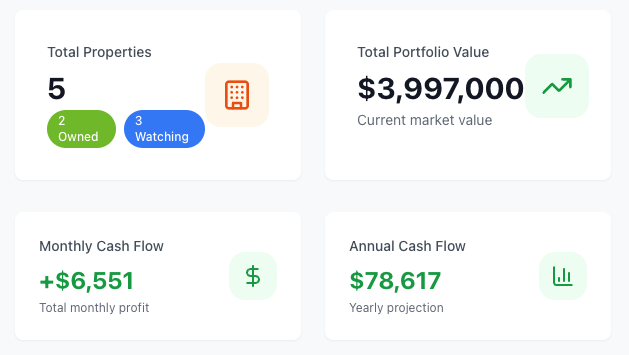
You can generate PDF summaries to show a property’s rental potential, break down approximate ROI, and highlight recent comparable sales. AI tools like Rental Optimizer streamline the process by analyzing reams of rental data in seconds and spitting out easy-to-read metrics. Sharing results in PDF form allows your clients to quickly skim the main points, or dive deeper whenever they’re ready.
When you hand over these simplified, user-friendly reports, you’re demonstrating a valuable blend of thorough research and polished presentation. It’s proof you go the extra mile to interpret complex details, sparing them the hassle of deciphering an endless spreadsheet. Clients see you as both knowledgeable and considerate of their time—a winning combination under any market conditions.
Strengthen your digital presence
Your digital identity has grown more important than ever. Between social media profiles, your professional website, and online directories, potential clients have ample ways to discover—and evaluate—you. While referrals remain powerful, it’s often your online image that confirms or contradicts what people hear about you.
A strategic approach to social media can help widen your audience. For example, brief video tours can bring life to your listings, and short Q&A sessions can demonstrate your expertise on tricky market questions. If you’re nervous about being on camera, emphasize your voiceover. Let the housing visuals do the talking while you guide viewers through the best features or hidden gems.
Beyond social media, maintain a professional website that consolidates testimonials, current listings, and educational content. If you integrate AI-driven chat support or personalized property recommendations, you’ll appear more advanced. Visitors looking for an agent who can handle modern challenges will feel reassured that you’ve invested in the latest resources, thus further boosting your credibility.
Maintain personal connections offline
Technology and data may be the backbone of modern real estate, but the industry remains deeply personal. Some of your best leads could still emerge from community gatherings, local partnerships, or previous client referrals. By maintaining relationships in your neighborhood, you can forge a reputation as a friendly, reliable resource—someone who doesn’t just show properties but understands people’s goals at a personal level.
It can be tempting to rely on automated emails and quick text updates, but in-person touchpoints still hold special significance. Consider hosting educational events where you teach first-time homebuyers about the process or invite local investors to learn how to optimize rental income. Bringing AI-driven facts to these gatherings is a great way to spark conversation, but your personal presence is what cements trust.
Get involved in community projects or sponsor local events. This keeps your name at the forefront of people’s minds when they or someone they know needs an agent. By combining these face-to-face connections with the efficiency of AI, you create a well-rounded strategy that appeals to both those who appreciate human warmth and those who value up-to-date technology.
Optimize and refine continuously
As you test new AI tools, data strategies, and personal outreach efforts, remember that not every experiment will yield immediate success. Some lead-generation software might cost more than you can justify, or a new marketing tactic might fall flat. Your ability to adapt and refine your approach is what helps you gradually build a powerful system that meets your unique needs.
Track key performance indicators such as new leads per week, your lead conversion rate, and the average time it takes to close a sale. AI dashboards can monitor these metrics, alerting you to emerging trends. If you spot a sudden dip in lead quality, you can quickly investigate and retool your approach rather than waiting for it to become a bigger issue.
Each small tweak you make, whether it’s changing the format of your neighborhood reports or adding a new automation feature, is an opportunity to learn more about what resonates with your audience. Over time, you’ll fine-tune your workflow to a point where you’re consistently delivering the right balance of data, personal attention, and technical savvy in every client interaction.
Key takeaways
- Modern technology and AI aren’t as complicated as they seem. Simple tools like Rental Optimizer can effortlessly provide meaningful data for your clients.
- Presenting relevant information in PDF format, rather than drowning clients in spreadsheets, helps keep their attention on what really matters.
- Personal connections still anchor your reputation. Community involvement mixes well with the credibility boosts provided by AI tools and practices.
- Continuous review and adaptation—both online and offline—drive success, even as the market keeps shifting.
Start by picking one or two new tools you can integrate without radically overhauling your daily routine. Use them to increase lead flow or present data in a clear, actionable way. Then keep building on that momentum as you learn what works best for your business. Remember, the ideal formula is a tech-forward mindset combined with the genuine warmth and empathy clients expect from a trusted real estate professional.
Make Smarter Rental Investments & Boost Profits
Use AI to Assess Opportunities
Compare Cap Rates & Cash Flows
Optimize Rental Income
RentalOptimizer.com