

Ready to unlock your wealth with practical rental property investment strategies? You can transform a single home or condo into a steady income stream, but the road starts with clarity. Rental investing may seem like a maze, yet you will navigate it step by step. You will choose suitable properties, assess risks, and finalize deals that move you toward your financial milestones. If you are just starting, you can also check out rental property investment for beginners to get a feel for the basics.
Grab a notebook, set your goal for the month, and tackle your first property analysis soon. Set a reminder for the next seven days. By then, you will have a shortlist of potential investments that fit your target returns. Ready to focus, sprint, and win? Let’s map your path.
Grab your rental property playbook
Begin your game plan by clarifying the reasons behind your investment. Do you want a steady monthly cash flow, long-term appreciation, or a stepping-stone to more advanced real estate deals? Write that out. A strong purpose keeps you motivated and on track.
Next, outline a simple timeline. Set a target date for identifying at least three properties to review. Then start your due diligence in an organized manner. Plan to compare property types side by side. Decide whether you want a single-family rental for simpler management or a multi-unit property for potentially higher returns. Keep your approach direct and measurable.
Bullet out a basic playbook:
- List your top three must-have features (e.g., location near transit, low vacancy rates, updated appliances).
- Check local regulations (zoning laws, short-term rental restrictions, landlord-tenant rules).
- Set a date to gather property listings that match your criteria.
Use these steps to prevent wasted efforts. Your daily checkpoint is progress. Did you find new listings? Did you gather reliable info on property taxes or neighborhood profiles? Mark each item done as soon as you complete it. By the end of each day, reward yourself for small achievements. That consistent focus builds momentum.
Call to action: Designate one hour today to draft your must-have property features. Decide on your top three. Write them down now.
Set a clear investment goal
Pinpoint the exact financial target you intend to hit. Are you looking for a net annual income of five figures? Or do you want to grow your long-term equity until retirement? When you anchor your investment to a specific goal, you can measure your progress and make better decisions.
Write your goal in clear numbers. For instance: “I aim to earn 10% net annual return from my first rental property.” That metric forms your north star. It also guides your daily tasks. If you sense a property will not help you achieve that 10%, you can pivot early. This direct, no-nonsense approach helps you keep your eyes on the prize.
To reinforce your goal, consider:
- Your target net operating income (NOI).
- The monthly rent you expect relative to property costs.
- The potential appreciation you forecast after five or ten years.
Check your weekly progress. Update your scoreboard with key stats:
- Number of properties evaluated vs. target.
- Average potential return across your top prospects.
- Challenges that block your next step.
Evaluate how each property lines up with your numerical goal. If you see a mismatch, either adapt your plan or find a different property. Stay accountable by setting deadlines. For example, commit to finalizing your list of potential deals within two weeks.
Call to action: Write your numeric objective today, such as “Reach $500 monthly cash flow by Q4.” Pin it where you will see it daily.
Map your budget and financing
Budgeting is your defensive line. Without a solid plan, monthly costs like mortgage payments, property taxes, repairs, and insurance can blindside you. Map out how much you can invest comfortably, and always keep a financial cushion for the unexpected. Start by listing your total investable funds, potential loan approval amounts, and any remaining reserves.
Compare loan options:
- Conventional fixed-rate mortgage: predictable payments, typically 15- or 30-year terms.
- Adjustable-rate mortgage: lower rates initially, but potential rate changes can affect your monthly outlay.
- Private financing or partner deals: can fill income gaps but may carry higher interest or profit-sharing clauses.
Once you have your financing plan, keep a watchful eye on your down payment. Small down payments can trigger higher monthly costs, which might lower your net returns. On the other hand, a big down payment reduces your monthly overhead yet might limit your ability to diversify. Hit a middle ground that supports your cash flow goals.
Tackle a quick action step: calculate your potential monthly mortgage on a typical property in your target area. Then add 10% for maintenance and surprise expenses. Start with something like the rental property cash flow calculator to get accurate figures, or build your own spreadsheet.
Call to action: Within three days, list all financing scenarios you could realistically secure. Decide which one fits your tolerance and goals best.
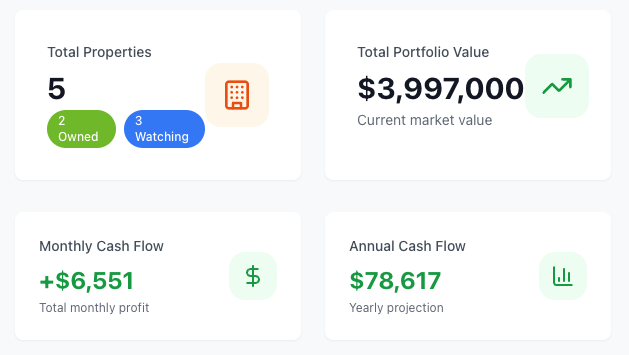
Make Smarter Rental Investments & Boost Profits
 Use AI to Assess Opportunities
Compare Cap Rates & Cash Flows
Optimize Rental Income
Use AI to Assess Opportunities
Compare Cap Rates & Cash Flows
Optimize Rental Income
RentalOptimizer.com
Scout for prime locations
Location shapes your returns. A property in a thriving area with rising employment can deliver stable rent and consistent tenant demand. Alternatively, a neighborhood with high rental turnover might mean frequent vacancies and more marketing costs. Scout each zone proactively. Examine growth trends, job markets, and local amenities.
When you study a potential location, check:
- Proximity to schools, shopping centers, and public transportation.
- Crime rates and neighborhood safety.
- Historical property value trends.
Also track local market data. For example, if vacancy rates average 3% in your chosen area, that indicates higher demand. Areas with new corporate headquarters or universities can provide a robust tenant pool. If you spot new developments, gauge their effect on home values and rent rates. A construction boom may produce competition, or it may raise local property values.
Set a checkpoint to finalize your top three neighborhoods in the next five days. Then rank them by your personal preferences: job growth outlook, demographic fit, average rental demand, and price appreciation prospects. That ranking helps you concentrate on your best lead.
Call to action: Choose your top neighborhood by tomorrow. Mark it with a star and plan to dive deeper into that market’s data.
Evaluate rental property metrics
Numbers are your star players. They do not lie, and they show you where to focus. Begin with a straightforward analysis of your potential purchase. Try a rental property investment spreadsheet or another simple tracking method. Look at purchase price, expected rent, estimated operating expenses, and yearly net income before factoring in mortgage.
Common metrics to guide your decisions:
- Cash Flow: Monthly rent minus monthly expenses. Positive cash flow means your property pays you consistently.
- Cap Rate: (Net operating income / Purchase price) x 100. Aim for a rate that exceeds local averages.
- Cash-on-Cash Return: (Annual pre-tax cash flow / Total cash invested) x 100. Shows returns on your actual out-of-pocket investment.
- Vacancy Rate: The percentage of time a property remains unoccupied. Lower is better for stable revenue.
Compare Single-Family vs. Multifamily
| Factor | Single-Family | Multifamily |
|---|---|---|
| Purchase Price | Often lower upfront cost | Higher cost but economies of scale |
| Tenant Turnover | Potentially higher if only one tenant | Multiple tenants reduce total vacancy risk |
| Maintenance | Typically simpler | May require more frequent oversight |
Keep your scoreboard current. If one property shows a significantly higher cap rate, prioritize more research on that deal. You could confirm it by running a rental property investment analysis to confirm your feasibility.
Call to action: Plug one potential property’s numbers into a rental property investment calculator this week. Compare that data to another property to see which might help you reach your financial target faster.
Refine your management approach
Managing a rental can be a straightforward daily operation or a hands-off arrangement, depending on your style. If you aim to self-manage, you control tenant screening, repairs, and rent collection. That approach can save money, but it demands your time. A property management company handles those tasks for a fee. They typically charge a percentage of monthly rent, plus extra fees for repairs or tenant placement.
Strike the right balance:
- Self-Management Pros: More control, direct relationship with tenants, potential cost savings.
- Self-Management Cons: Time-consuming, can be stressful if unexpected issues arise at odd hours.
- Professional Management Pros: Saves you day-to-day involvement, typically use proven systems for screening and maintenance.
- Professional Management Cons: Reduces your monthly profit, requires trust in a third party’s processes.
Set a checkpoint to finalize your management plan within two weeks. By deciding now, you sidestep last-minute confusion when you place your first tenants. Also define how you will track performance. Consider using a rental property investment guide if you want a structured approach to screening and routines.
Call to action: Schedule a call with at least one property management company this week. Ask about their fees, approach to maintenance, and references.
Checkpoints and key milestones
Keeping score prevents drift. Schedule specific checkpoints to gauge progress, just like half-time breaks that let you see if you are winning the match. Each checkpoint might coincide with a key milestone in the buying process, like finalizing financing or performing a property inspection.
List your upcoming milestones:
- Securing Preapproval: A crucial step that signals to sellers you are serious.
- Completing Your Property Inspection: Identifies hidden flaws and major repair needs.
- Approval of Financing Terms: Ensures you can close on time.
- Gathering Specific Documents: Bank statements, W-2s, security deposit details, or rental agreements.
Make each milestone easy to track with a clear date attached. If you hit a snag, adjust your plan or seek professional advice. If you underperform, diagnose the cause: Did you underestimate expenses, or did you set unrealistic deadlines? Use each checkpoint to refine your path instead of giving up.
Call to action: Write down the next major milestone and circle the date you must meet it. Keep that date in plain sight as you move forward.
Celebrate and recalibrate
Once you close on your first rental or implement new rental property investment strategies, savor the win. High-five yourself or share your success with your circle, because victory stories reinforce your confidence. Then, reflect on the numbers. Do you see positive cash flow? Are you on pace for your target annual return?
Adjust your approach if your reality differs from your plan. Maybe you want to add in a deeper look at property taxes, or test new screening processes for prospective tenants. Stay supportive of your own progress. Even small corrections keep you aligned with your financial vision.
Your next move could be expanding to a second or third property. Or maybe you prefer renovating your existing property to boost rent. Either way, you drive the outcome. Beta test new ideas, measure the results, and course-correct quickly. Maintain a scoreboard that tracks total cash flow, occupancy rate, and overall satisfaction with the experience.
Call to action: Check out https://RentalOptimizer.com to kick off an AI-powered strategy for your next investment. Aim to sign up this month and input at least one property’s financial data to discover advanced ways to secure higher returns. This is your moment to refine, grow, and win.
Make Smarter Rental Investments & Boost Profits
Use AI to Assess Opportunities
Compare Cap Rates & Cash Flows
Optimize Rental Income
RentalOptimizer.com