

Picture a daily routine where you never scramble to figure out late rent payments or missed maintenance deadlines. Instead, your property updates appear on your phone in real time, and your tenants enjoy a smoother leasing process. That’s the magic of using AI property management software in your rental business. While “AI” may sound futuristic, adopting it for real estate is simpler than you might think. And good news, it can free up hours of time and sharpen your decision-making along the way.
In this ultimate guide, you’ll learn how AI-powered tools work, the key features to look for, and how to put them to use in your rental strategy. We’ll also navigate possible bumps in the road so you know what to expect. By the end, you’ll have a practical step-by-step plan for building a more efficient, profitable rental portfolio.
Meet AI property management
AI property management involves using software that relies on machine learning and real-time data analytics to handle daily tasks, predict future trends, and even automate your next steps. For instance, these platforms analyze multiple data points—local market rents, tenant payment timing, or even maintenance records—to help you fine-tune every angle of your property investments.
A 2024 survey by Housing Intelligence found that 37% of small to mid-sized landlords use AI-driven tools for at least one aspect of their rental operations. If you’ve been trying to collect rent, schedule repairs, and screen tenants using entirely manual processes, AI can be a game-changer.
Key capabilities at a glance
- Automatic rent reminders: Tenants get notified when payments are due.
- Predictive maintenance: The software flags potential repairs before they become major issues.
- Tenant screening assistance: AI scours credit scores, renting history, and even risk factors (covered in more detail below).
- Rent price optimization: Machine learning algorithms suggest competitive prices based on market conditions.
- Portfolio management: All your property details stay in one hub, making it easier to spot patterns.
It all sounds impressive, but let’s move beyond theory and see how this tech helps you spend less time on repetitive tasks while securing better returns.
Optimize daily tasks
One of the best things about AI property management software is how it handles routine chores that often eat into your free time. Picture automating lease renewal notifications, or letting a digital assistant respond to standard tenant questions about trash pick-up dates—not to mention streamlined rent collection.
Automated rent collection
Handling rental income can get messy when you rely on manual check deposits or chase down missed payments. An AI-based system can send prompts to tenants through text or email, auto-generate late fee charges if needed, and update your records instantly. You’ll see who has paid, who’s behind, and how to address chronic issues.
Maintenance requests
No one likes a 2 a.m. call to fix a broken water heater. While you can’t eliminate these emergencies, AI property management tools can make the process smoother. When a tenant submits a digital request, the system can categorize it, estimate repair costs, and route it to the right service provider. Because the software learns patterns, it might also tell you that certain properties have recurring issues (like faulty wiring) so you can handle them proactively.
AI-powered scheduling
Ever double-book your contractor and forget about scheduled pest control? With an AI-based calendar, you can sync all upcoming maintenance tasks in one place. This calendar can also color-code or prioritize emergencies, ensuring you never overlook an important repair job.
If you’re curious about deeper automation techniques, check out our resource on ai-powered rental property management. You’ll discover more ways to streamline routine operations and keep your tenants happy.
Strengthen your rental finances
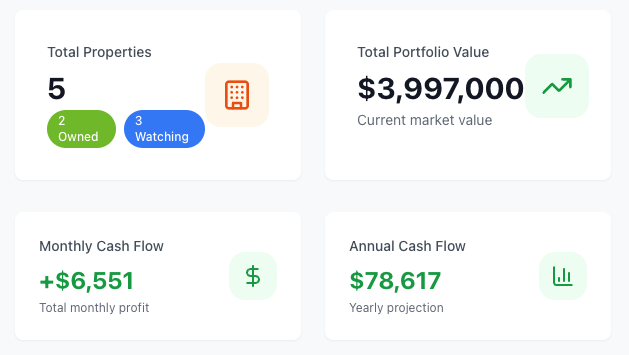
AI can help you understand where your money goes and how to increase your rental income over time. Instead of juggling multiple spreadsheets, these platforms allow you to view cash inflows, outflows, and net profit on a unified dashboard. And through real-time analysis, you’ll spot areas where you might be overspending—or underpricing the rent.
Dynamic rent pricing
Rent setting used to be about comparing a few local listings and trusting your gut. With AI, you can base your rent on a blend of market data, seasonality factors, and even economic forecasts. According to a 2025 study by the Real Estate Analytics Lab, landlords who used dynamic pricing strategies based on machine learning saw a 12% jump in annual rental revenue—compared to just 3% growth for those who stuck to one fixed rate. That difference adds up fast.
Real-time financial alerts
AI property management software can also alert you when certain expenses spike beyond the norm. Say your cleaning costs suddenly double in one month. Instead of noticing months later, you’ll get a notification right away, prompting you to investigate why it happened. These early warnings prevent small issues from turning into profit-killers.
Forecasting expenses
Whether it’s property taxes, insurance, or an upcoming roof replacement, advanced AI tools often include predictive modeling to estimate future major costs. If you’ve been caught off-guard by big repairs in the past, seeing those possibilities in advance—complete with recommended budget reserves—can keep you from dipping into personal funds.
For a closer look at how machine learning refines property valuation, consider exploring our guide on ai rental property valuation. It dives into how these algorithms pick up shifts in the housing market, so you can set more accurate rental rates.
Make Smarter Rental Investments & Boost Profits
 Use AI to Assess Opportunities
Compare Cap Rates & Cash Flows
Optimize Rental Income
Use AI to Assess Opportunities
Compare Cap Rates & Cash Flows
Optimize Rental Income
RentalOptimizer.com
Handle tenant screening with AI
Tenant screening can feel like guesswork if you rely only on references and background checks. That’s where AI steps in to analyze rental history, income stability, and other relevant data points. One system might run an applicant’s score through a risk model, giving you a clear sense of whether they’re likely to pay on time and treat your property with respect.
Speed up your vacancy turnaround
When someone moves out, every day without a tenant is lost income. AI tools can help you screen multiple applicants quickly, request digital signatures for their rental agreement, and get them in the door faster. With high-speed verification processes, you’ll keep vacancies low.
Reduce default risk
Late payments or evictions not only strain your finances, but they’re stressful to handle. By filtering out high-risk prospects early, you can save yourself from headaches down the road. A 2023 case study in the Journal of Property Management found that property owners who used AI screening tools saw a 21% decrease in tenant default rates compared to those who relied on manual screenings.
For more insights on vetting applicants, you can also explore ai rental property screening. It dives into the specific data points these systems analyze and ways you can tailor your process to local regulations.
Monitor market trends
Staying ahead of your competition means keeping tabs on emerging developments, whether it’s new housing legislation or shifts in tenant preferences. AI helps you spot these changes faster—perhaps you’ll discover a surge in demand for furnished rentals in your city or a growing interest in short-term leases near corporate hubs.
Track rent fluctuations
Prices can vary wildly even within a single ZIP code. A well-built AI system gives you an overview of local conditions and also pinpoints micro-neighborhood trends. This detail matters if you own multiple properties in different areas. If you want a deeper dive into analyzing local factors, check out our guide on ai rental market trends. It outlines how advanced data models zero in on the best times to adjust rentals for peak revenue.
Spot investment opportunities
Maybe a neighboring town has skyrocketing job growth, making it a prime spot to buy the next investment property. By plugging macroeconomic factors and property data into an AI-driven platform, you can predict which neighborhoods might see higher demand in the coming year. This predictive power can give you a head start when it’s time to expand your rental portfolio.
Adjust marketing for vacancy dips
When vacancies start to creep up, an AI-based system can recommend changes to your marketing approach—perhaps running targeted ads or offering a limited-time discount on security deposits. Because everything is data-based, you’ll see which tactics actually make a difference.
Stay ahead of challenges
AI can automate a lot, but it doesn’t solve every headache. Let’s talk about potential pitfalls and how you can work around them. Being prepared will keep you confident and flexible when the unexpected happens.
Data security concerns
Handling sensitive tenant data—financial histories, Social Security numbers—means data protection must be top of mind. Ask your AI software provider about their encryption standards and data backup policies. Some reputable platforms do regular third-party audits to prove they keep information secure.
Overreliance on algorithms
While the numbers usually don’t lie, trust your judgment too. If an AI tool says a certain applicant looks risky for reasons that seem off, investigate further. Maybe they have stable employment, but their credit score is only low because they recently moved from another country. Balance machine logic with personal evaluation.
User adoption
AI is only helpful if people actually use it. If you have a property manager or on-site staff, involve them in training from day one. Consider short tutorials or walk-through videos to show them how the dashboards work. The more comfortable your team feels, the more accurate data you’ll get from the system.
Choose your ideal AI software
Finding the right AI property management software depends on your portfolio size, budget, and comfort level with technology. Whether you’re a brand-new investor or you’ve got dozens of doors under management, you’ll want features and price points that make sense for your situation.
Essential features to look for
- Integration with popular accounting tools
- Mobile app access for on-the-go updates
- Tenant portal for rent payments and maintenance requests
- AI-driven risk assessment for screening applicants
- Reporting dashboard with real-time data
Questions to ask providers
- How often are your algorithms updated?
- What data security measures do you use?
- Can the system handle multiple properties in different locations?
- Do you offer a trial or demo period?
- What kind of onboarding support can I expect?
For a closer look at various algorithms in real estate, you can revisit real estate ai algorithms. That resource delves into how different models learn and improve over time—knowledge that helps you choose software built for growth.
Implement step by step
Once you’ve chosen your AI solution, here’s a roadmap for rolling it out. Think of it as setting the ideal foundation for your digital transformation. Take it slowly and be patient with the setup. Good news: once in place, AI typically runs behind the scenes, freeing up your time for bigger goals.
- Assess your current process
- List your biggest pain points: Are late payments the main headache? Or do you struggle with marketing vacant units?
- Gather your property data
- Compile tenant ledgers, lease agreements, and maintenance logs. Make sure they’re accurate so the AI tool can learn properly.
- Input data into the new system
- Follow your provider’s guidelines to ensure a clean import. Double-check that each property, tenant, and expense category is labeled properly.
- Customize your settings
- Tweak automatic reminders, define how frequently you want reports, and set your rent threshold for late fees.
- Test on a smaller scale
- If you have multiple rentals, run the system for one or two properties first. That way, you iron out kinks before rolling it out portfolio-wide.
- Train your team
- Show your staff or property managers how to navigate the new software. Encourage them to ask questions and explore.
- Monitor results
- Track changes in rent collection times, vacancy rates, or how quickly maintenance requests get resolved. Even small improvements mean less hassle now and bigger business gains later.
At this point, you may also want to explore resources like ai rental property analysis or automated real estate investment platforms if you plan to expand your portfolio fast. These connected topics can streamline your entire approach to buying and managing properties.
Review your performance
It’s wise to measure the effect AI has on your rental business. Otherwise, how do you know if the software truly pays off?
Key performance indicators (KPIs)
- Rent collection rate: Has the percentage of on-time payments improved?
- Vacancy duration: Are you renting units faster?
- Maintenance resolution speed: Has the average repair time gone down?
- Tenant turnover: Are tenants renewing leases more often?
Tracking over time
Repeat these measurements each month or quarter. Look for trends—maybe a small improvement each quarter leads to a big jump by year’s end. If something doesn’t pan out, tweak your settings or consult your software’s support team. Remember, AI learns as it goes, so setbacks often pave the way for better performance.
Share insights
If you manage properties with partners or a team, share data transparently. This openness fosters collaboration, helps refine processes, and keeps everyone accountable. It’s also a fantastic way to highlight successes that might otherwise go unnoticed.
To manage your entire portfolio more efficiently, consider reading ai property portfolio management. It breaks down how to keep tabs on multiple properties and see performance metrics in one place, making your oversight more strategic.
Final recap and next steps
You’ve now got a full picture of how AI property management software can streamline repetitive tasks, improve tenant screening, and keep your finances in check. By automating the day-to-day details, you can refocus on the bigger picture—growing your investment strategy, expanding your rental portfolio, or simply enjoying more free time.
Here’s a quick review:
- Automate daily tasks like rent collection, maintenance requests, and scheduling.
- Strengthen your financial analysis through dynamic pricing, budget alerts, and accurate forecasting.
- Screen better tenants faster, reducing the risk of late payments or costly evictions.
- Keep an eye on market shifts so you can set competitive rents and plan for future investments.
- Choose software that meets your exact needs—balance detail-rich dashboards with user-friendly designs.
- Implement step by step, and track your KPIs regularly for clear progress.
Your next move? Pick one aspect that slows you down the most—maybe it’s tenant screening or chasing overdue rent—and let AI handle that first. Then layer on more features as you get comfortable. It’s a process, and each small win brings you closer to a more profitable, less stressful rental business. You’ve got this, and the technology is ready to help.
Make Smarter Rental Investments & Boost Profits
Use AI to Assess Opportunities
Compare Cap Rates & Cash Flows
Optimize Rental Income
RentalOptimizer.com