
You live in a world inundated by round-the-clock headlines, opinion pieces, and social media debates. It can be overwhelming to figure out what matters most, which data points are accurate, and how to interpret each nuanced angle. That’s where ai-driven media literacy education comes in. By blending artificial intelligence with thoughtful reading habits, you can sharpen your ability to see bias and form a more balanced worldview.
At its core, media literacy helps you understand why certain news stories grab your attention, how arguments are framed, and where to look for deeper context. AI adds a powerful layer of analytics, pinpointing patterns and detecting hidden influences. Embracing this approach allows you to sift through endless news sources and commentary more efficiently, freeing you up for what really counts: responding to events in an informed, deliberate way.
Identify bias and misinformation
Media bias today isn’t always glaringly obvious. It often emerges in subtle word choices, selective reporting of facts, or the sheer volume of coverage given to one side over another. Spotting these cues is essential to forming a well-rounded view of any given topic.
- Look at the language:
-
- Does the article use emotion-laden terms to sway your perspective?
- Are certain groups or opinions negatively labeled?
- Watch out for exaggerations or absolutes that can steer you toward a particular conclusion.
2. Examine the source:
-
- Investigate the publisher’s reputation, mission, and any affiliations.
- Recognize that opinion sections are meant to be slanted, while hard news should maintain objectivity.
3. Cross-verify facts:
-
- Read at least one other news outlet covering the same story.
- Check for original data or quotes in official press releases.
Misinformation, meanwhile, can be as simple as an innocent mistake or as deliberate as a carefully orchestrated disinformation campaign. Either way, misinformation underscores why your awareness of bias matters. Whether you’re a parent, educator, or business professional, your ability to filter out flawed reporting ensures you don’t make decisions based on incomplete or skewed narratives.
Leverage AI to analyze coverage
The explosion of digital content has made fact-checking more complex, yet AI can help handle vast amounts of data in seconds. By using AI models trained to spot linguistic patterns, you gain quick insights that would otherwise require hours of manual comparison.
AI-driven systems typically examine:
- Frequent keywords or phrases and how they’re framed
- Sentiment that slants positive or negative
- Data from multiple sources to identify repetitive vs. unique points
Through this automated process, you gain an overview of an outlet’s stance and can more effectively determine where it lies on the spectrum, from balanced and factual to heavily one-sided. You still have to guide each step, though. The software won’t magically tell you what to believe, but it will highlight patterns that shape your interpretation of the news.
Common AI analysis methods
- Text classification: Evaluates phrases, tone, and subject matter to categorize articles or news sources.
- Natural language processing: Breaks down each sentence to find emotional cues, rhetorical devices, or keywords that indicate bias.
- Sentiment analysis: Flags statements that express strong positivity or negativity. Might reveal whether the overall lens leans favorable or critical toward a particular group or issue.
Apply AI insights to refine viewpoint
After an AI tool presents its findings, your next job is to interpret those results in the context of your personal values and the factual data you have available. The end goal is not just to label content as “biased” or “unbiased,” but to evaluate the nuances.
Start by reviewing overall sentiment scores or identifying heavily opinionated sections. Perhaps an article ranks as highly negative, or maybe it includes terms that signal strong political leanings. Take that information and ask yourself whether the piece still highlights key facts, or if it misses crucial perspectives. Challenge each assertion, especially if you notice emotionally charged language that leaves no room for complexity.
Gradually, you’ll build a habit of applying structured thinking to every story, whether you read it online, watch it on TV, or discuss it with friends. AI may serve as an independent checkpoint that uncovers potential blind spots. You own the final judgment, ensuring your mind remains open to multiple viewpoints.
Ways to integrate AI findings
- Annotate your notes: Use color-coded highlights to mark sections that an AI analysis identified as biased or sensational.
- Ask secondary questions: What perspectives are missing? Are there sources from other regions or sides of the debate you haven’t read?
- Seek balance: Compare the piece in question against a more neutral, data-focused report. If you can’t find one, consult a range of outlets to broaden your understanding.
Try user-friendly tools for unbiased insight
To make your journey smoother, there are AI-powered platforms designed for everyday readers and professionals who want rapid, friendly guidance on spotting bias. Two notable examples are BiasBreaker and Bridger.
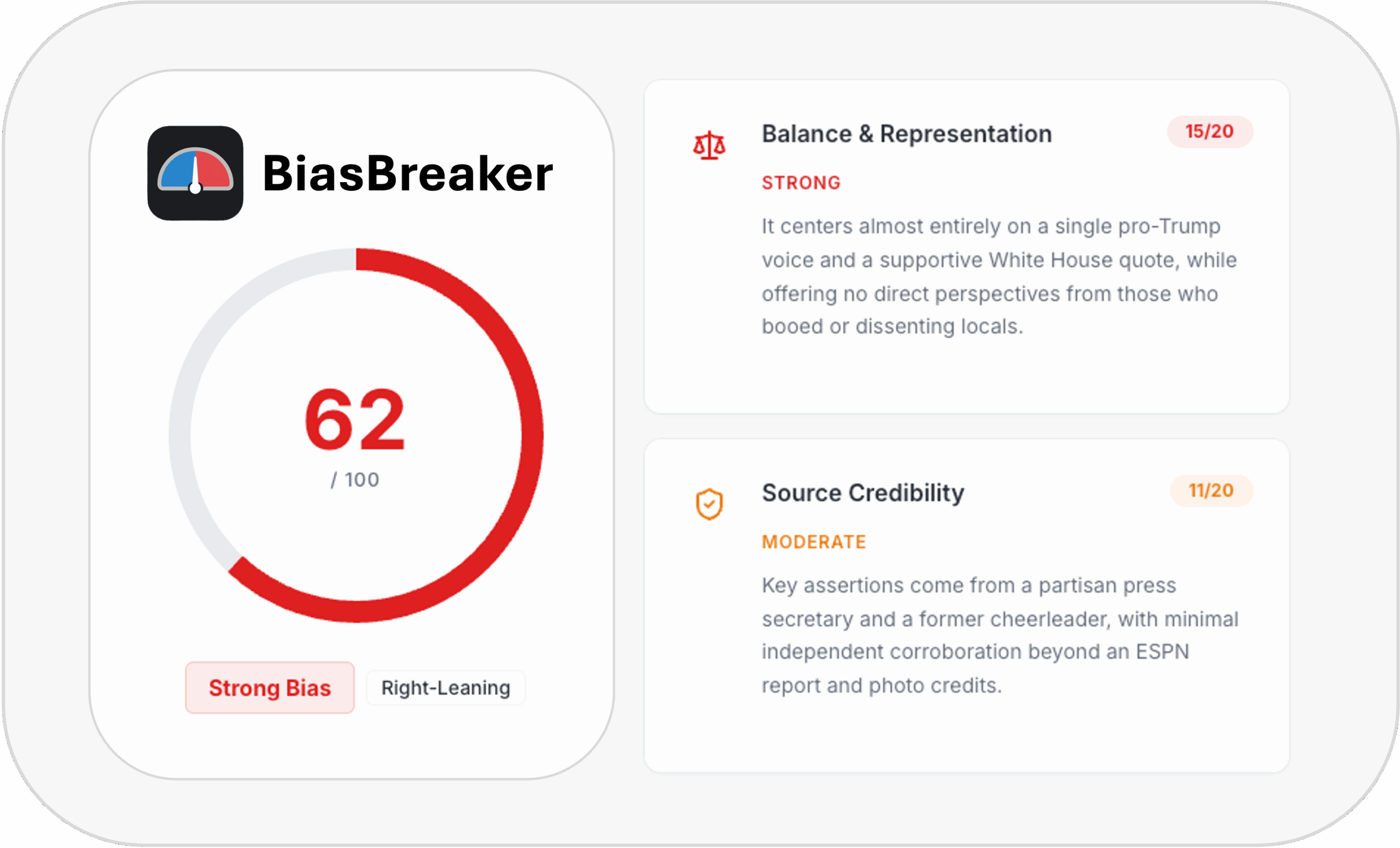
- BiasBreaker: This platform scans news stories and articles to identify possible bias, highlight heavily emotive language, and point out structural imbalances. By analyzing patterns, it offers more transparent insight into the writer’s slant. BiasBreaker is particularly useful if you want a quick opinion on whether a piece is balanced or leaning one way.
- Bridger: Bridger goes a step further by taking two opposing viewpoints and exposing the assumptions each side holds. Then, it seeks a middle ground, bridging gaps that often polarize discussions. If you’re tired of conversations that feel stuck in “us vs. them” dynamics, Bridger’s approach illuminates the common ground buried beneath surface-level disagreements.
Both tools simplify AI-driven media literacy education by presenting you with direct, actionable feedback. You don’t have to be a data scientist to understand their analyses. In fact, they’re designed to make complex AI concepts more accessible, so you can incorporate those results into your daily habits without feeling overwhelmed.
Check the Bias of any News Article
 Powered by AI
Practice ongoing self-reflection
Effective media literacy thrives when it’s not just about software, but also about honest self-assessment. In your reading routine, it’s normal to have certain biases that influence what you focus on or how you interpret statements. AI tools illuminate external biases, but they can also help you explore your internal leanings.
Consider setting aside a few minutes each day to revisit an article that contradicts your usual stance. Plug it into an AI analyzer, review the results, then challenge your own reactions. Did you dismiss a valid point because it clashed with your assumptions? By taking a reflective approach, you transform AI data points into personal growth milestones.
Daily reflection questions
- What emotional reactions did I have while reading an article?
- Did I notice any loaded language that confirmed my own beliefs, or was I more critical of opposing viewpoints?
- How can I broaden my perspective next time?
By building this introspection into your routine, you not only maintain an open mind, but also encourage those around you—students, colleagues, or family members—to reflect as well.
Maintain a balanced perspective
Once you’ve sharpened your skills picking out hidden slants and verifying facts, balance becomes the natural outcome. Keep in mind that “balanced” doesn’t necessarily mean “completely neutral.” You can still hold firm opinions, but your process for forming those opinions will be more informed and less influenced by manipulative tactics.
When you practice balanced reading, you’re training yourself to contemplate the wider story: differing socio-political angles, cultural contexts, and historical backgrounds. As you uncover new layers, you’ll find you’re less likely to be swayed by clickbait headlines or emotionally charged posts.
Here are some practical ways to maintain that equilibrium:
- Rotate sources: Deliberately choose at least one left-leaning outlet, one right-leaning outlet, and one moderate publication to ensure a well-rounded viewpoint.
- Discuss with a trusted circle: Share your findings with friends or colleagues. Spark dialogues about content that challenges your preconceptions.
- Stay curious: If a particular article triggers a strong reaction, dig deeper. Consult reputable fact-checking websites, explore other regions’ news coverage, and see how different cultures address the same topic.
With each day spent reading through an AI lens, you’ll develop an even sharper filter for biased language and subtle misinformation. Whether you’re guiding your kids toward critical thinking or making informed decisions at work, ai-driven media literacy education empowers you to cut through the noise. By embracing this friendly technological boost, you’ll grant yourself and those around you the chance to see the world from multiple angles—ultimately enriching your understanding and making every conversation more productive.
Check the Bias of any News Article