
What is the Integrated Project Management?
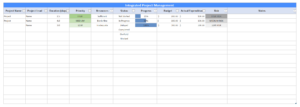
Integrated Project Management (IPM) is a comprehensive project management methodology that ensures coordination across all departments, stakeholders, and project phases to achieve a unified objective. Unlike siloed approaches where each function operates independently, IPM focuses on interconnectivity, collaboration, and strategic alignment. This method enables seamless integration of schedules, budgets, communications, quality standards, and human resources.
The purpose of Integrated Project Management is to create a cohesive environment where all moving parts of a project function harmoniously. It achieves this by implementing structured processes that unify planning, execution, and monitoring efforts. This helps mitigate risks, reduce redundancies, and ensure that the project delivers maximum value.
IPM exists because modern projects are complex and multifaceted. In industries such as construction, healthcare, IT, and manufacturing, successful project delivery often requires input and coordination from multiple business units. IPM offers a solution to this complexity by aligning cross-functional teams around shared goals and metrics.
Organizations that implement Integrated Project Management gain more control over project execution, benefit from real-time insights, and improve their ability to adapt to changing conditions. This methodology is especially beneficial for large-scale or high-impact initiatives that require alignment across various organizational layers.
Integrated Project Management in Project Management
Integrated Project Management is particularly effective in project management environments that demand tight coordination and interdepartmental collaboration. This method supports transparency, consistency, and agility throughout the entire project lifecycle.
By using IPM, project teams can:
- Ensure that each department or stakeholder group is aligned with the overall project objectives.
- Standardize procedures, tools, and performance metrics.
- Improve communication channels and feedback loops.
- Identify and resolve interdependencies early.
For example, in a product launch involving R&D, marketing, finance, and supply chain teams, Integrated Project Management would coordinate timelines, allocate resources efficiently, and ensure all functions contribute to shared outcomes. When executed well, IPM reduces duplication of work, keeps everyone informed, and enhances strategic decision-making.
It also supports change management by establishing systems for capturing and implementing feedback, thereby enabling faster course corrections. In essence, Integrated Project Management acts as the central nervous system of complex projects, bringing coherence to a potentially chaotic process.
Getting Started with the Integrated Project Management Template
Implementing Integrated Project Management requires planning, stakeholder engagement, and a commitment to unified processes. Below is a step-by-step guide to help teams apply this methodology effectively.
1. Define Integrated Project Objectives
Start by establishing a unified vision for the project.
- Identify the key objectives that all departments and teams should work toward.
- Align these goals with the organization’s strategic priorities.
- Ensure that success criteria are clearly defined and measurable.
A shared understanding of purpose lays the groundwork for seamless integration.
2. Build a Cross-Functional Project Team
Include representatives from all relevant departments.
- Identify stakeholders whose involvement is critical.
- Clarify roles and responsibilities for each team member.
- Foster a culture of collaboration and mutual accountability.
This ensures diverse perspectives are included from the start.
3. Develop a Unified Project Plan
Create a comprehensive plan that includes timelines, budgets, deliverables, and risk mitigation strategies.
- Integrate plans from various departments into a single master document.
- Use shared tools and templates for consistency.
- Validate the plan with all stakeholders.
A centralized plan eliminates ambiguity and enables effective tracking.
4. Establish Communication Protocols
Define how information will be shared across teams.
- Set up regular check-ins, dashboards, and reporting schedules.
- Determine the communication channels for updates, issues, and decisions.
- Encourage feedback and knowledge sharing.
Clear communication reduces misunderstandings and accelerates decision-making.
5. Monitor Dependencies and Resource Allocation
Track interdependencies and allocate resources strategically.
- Use visual tools like Gantt charts or project portfolio timelines.
- Adjust allocations based on changing project demands.
- Ensure that no team is overburdened or underutilized.
Monitoring these factors helps optimize efficiency and responsiveness.
6. Implement Risk Management Across Functions
Identify and manage risks collectively.
- Conduct joint risk assessments involving all key stakeholders.
- Develop mitigation strategies that account for cross-functional impacts.
- Review risks regularly and update the response plans.
Integrated risk management ensures that the project is resilient and adaptive.
7. Measure and Refine Project Performance
Track progress using integrated metrics.
- Evaluate both overall project performance and individual team contributions.
- Use the data to inform decisions, identify bottlenecks, and refine workflows.
- Hold retrospectives to gather feedback and implement improvements.
This continuous learning approach enhances project outcomes and team capability.
Lead Successful Project Management Projects!
 Get instant project management processes Get expert tools & guidance Lead projects with confidence
Project Recommendations for Success
Siloed Departmental Planning
Break down barriers to collaboration.
- Encourage joint planning sessions.
- Align department KPIs with project-wide goals.
- Use integrated tools to create shared visibility.
Ineffective Communication Across Teams
Standardize and document communication protocols.
- Use a central project management platform.
- Schedule cross-functional stand-ups.
- Establish clear escalation paths.
Conflicting Priorities
Align departments on what’s most important.
- Prioritize workstreams that support overall project impact.
- Negotiate timelines and deliverables early.
- Use a decision-making framework for trade-offs.
Unclear Accountability
Clarify ownership of tasks and deliverables.
- Assign leads for each major project component.
- Define what success looks like for each role.
- Regularly review ownership in project updates.
Slow Issue Resolution
Establish fast feedback and escalation loops.
- Empower team leads to act decisively.
- Review blockers during weekly syncs.
- Document and communicate solutions broadly.
Complementary Tools and Templates for Success
- Stakeholder Engagement Matrix – Maps influence and involvement to improve communication.
- RACI Chart – Clarifies roles and responsibilities across teams.
- Project Charter Template – Establishes alignment and purpose from the beginning.
- Cross-Functional Dashboard – Provides real-time updates on project metrics.
- Issue Tracker – Documents and manages project roadblocks.
- Lessons Learned Log – Captures insights for future projects.
Conclusion
Integrated Project Management is a powerful methodology for navigating the complexity of multi-departmental projects. It aligns strategy with execution, ensures that all parts of the organization are pulling in the same direction, and enables better use of time, resources, and expertise.
By creating a unified framework for planning, communication, and execution, IPM allows organizations to manage complexity without chaos. It builds a culture of collaboration, accountability, and shared success.
When implemented with discipline and supported by the right tools, Integrated Project Management becomes more than just a methodology—it becomes a strategic asset that drives high-impact results and lasting organizational value.
Lead Successful Project Management Projects!
Get instant project management processes Get expert tools & guidance Lead projects with confidence