

Uncover the power of predictive analytics
Real estate predictive analytics software is steadily transforming how you invest, manage, and forecast returns on properties. Instead of relying on time-consuming spreadsheets or secondhand market assumptions, predictive analytics helps you base decisions on historical and real-time data. If you want a competitive edge in the property market, you need more than gut instinct or guesswork. That’s where smart, AI-driven solutions come in.
These tools align seamlessly with a friendly, approachable investment process that puts you in control of important decisions. They scan thousands of data points—ranging from neighborhood demographics to local economic trends—to identify patterns you might have missed. The result is a deeper understanding of potential yields, risks, and the value of each property long before you finalize any deal.
With predictive analytics, you can estimate how a property will perform within a specified timeline. Think of it as a safety net for your real estate decisions. By using machine learning algorithms, the software compares your property’s past performance against current statistics to project possible future scenarios. This allows you to spot rising neighborhoods, anticipate market dips, and time your sales or acquisitions precisely.
Beyond these powerful insights, predictive analytics tools also streamline your daily tasks, such as rental tracking and occupancy forecasts. You no longer have to juggle multiple spreadsheets or rely on outdated sources for crucial information. Instead, the software keeps everything organized, saving you time while ensuring you have the data you need to make swift, well-informed calls.
Improve your property selection
Deciding which investment property to pursue is one of the most critical steps of real estate. Traditionally, you might compare local listings, examine comparable sales, or chat with agents for market gossip. However, real estate predictive analytics software accelerates this process by digging into broader factors like school proximity, neighborhood walkability, and historical price trends.
Here’s how improved property selection looks in practice:
- You get immediate access to updated neighborhood metrics, including crime rates and growth predictions.
- Potential rental income estimates are generated based on real occupancy statistics and prevailing rental prices.
- Automated alerts highlight areas undergoing economic redevelopment and other criteria you specify, such as emerging tech hubs.
By filtering out properties that don’t meet your overarching goals, analytics software saves you time and narrows your focus to the most promising listings. You can concentrate on properties that offer strong rent-to-value ratios or stable long-term appreciation. In other words, the software effectively sifts through needless noise.
Additionally, you’ll see how a property merges into your overall portfolio—whether it’s a great fit for diversification or complements your existing holdings. Once you confirm those numbers, you stride into the negotiation phase with confidence. You don’t need to rely on guesswork, because you already have the best-possible objective data at your fingertips.
Refine your data-driven decisions
Close up the guesswork further by strengthening the data you use to make real estate calls. One of the major perks of predictive analytics is how it helps unify multiple data sources into cohesive, up-to-date insights. Instead of forcing you to jump from site to site, the software connects different resources under one interface. This might include:
- Online listings and property details
- Mortgage rates, interest data, and local lending statistics
- Market supply-and-demand trends
- Information on typical renovation costs
You can review interactive dashboards that visually represent your potential yields and break down key risk factors. Filters, charts, and tables give you instant clarity on what drives a property’s success or causes its shortcomings.
As you research a deal, you may notice the software suggesting additional data points you hadn’t considered. For instance, it might prompt you to check seasonal trends, such as increased demand during vacation months if the property is in a tourist area. These hints guide you toward a holistic review process, rather than relying on surface-level data.
By refining your intelligence, your decisions become more targeted. You set more precise budgets, measure your expected return periods, and prioritize the improvements that truly deliver results. Rather than reacting to market changes after the fact, you’re proactively adapting your strategy in real time.
Make Smarter Rental Investments & Boost Profits
 Use AI to Assess Opportunities
Compare Cap Rates & Cash Flows
Optimize Rental Income
Use AI to Assess Opportunities
Compare Cap Rates & Cash Flows
Optimize Rental Income
RentalOptimizer.com
Analyze risk and market trends
Every property has a potential downside, from underperforming rental prospects to unexpected maintenance fees. Real estate predictive analytics software makes it easier to spot these red flags before they strain your cash flow. By analyzing historical data, the software anticipates market fluctuations in interest rates, local employment shifts, and even climate-related risks that might affect property values.
This proactive risk analysis changes the game. You don’t simply respond to issues as they arise—you lean on data to minimize the likelihood of those issues in the first place. Imagine a scenario where you discover that a property’s neighborhood typically experiences a slump every winter. Armed with this knowledge, you plan ahead, adjusting your rental pricing strategy or arranging short-term off-season promotions.
Beyond cyclical risks, analytics tools also identify long-term trends, such as shifting demographics or new construction developments that can either elevate or undercut property values. Understanding the trajectory of a neighborhood helps you buy in at the right markers—ideally before prices surge. Or, if a once-popular area shows clear signs of stagnation, you get a timely warning to rethink your approach.
With these insights, you can also protect your portfolio from sudden shocks. Rather than scattering your properties blindly, you’ll choose markets with favorable conditions and minimize exposure where risk indicators run high. This structured precautionary approach creates a stable path for your real estate investments, ensuring rewards outweigh potential pitfalls.
Automate tasks for faster insights
Real estate professionals often juggle shifting deals, tenant issues, and property upkeep. Hence, valuable hours can be lost in sifting through endless piles of documents, spreadsheets, and email threads. Predictive analytics software simplifies this landscape by automating repetitive tasks.
For example, you can automatically:
- Generate property comparison reports based on your criteria
- Track local zoning changes and city planning updates
- Monitor rental payments, lease renewals, and maintenance schedules
- Receive risk alerts, such as rising vacancy rates or local economic downturns
This kind of automation is like having an assistant who never sleeps. You stay on top of relevant data while freeing yourself to handle the human side of real estate—building relationships with clients, forging deals, and envisioning your next market move. Plus, by centralizing the flow of information, it becomes easier to spot emerging patterns on your own.
Speed is also a key factor. Markets can shift quickly, and missing a chance to lock in a favorable mortgage rate or list a unit at the right time might cost you. Automated tools notify you as soon as certain triggers fire, giving you ample time to adapt as conditions change. And when you use predictive analytics to interpret these signals, each adjustment you make rests on a foundation of empirical data, not hunches.
Evaluate essential software features
All predictive analytics solutions claim to unlock hidden value, but the best ones deliver the right features for you. Before choosing a tool, keep an eye out for these five essential capabilities:
- Comprehensive data integration: The software should merge multiple data sources—public records, property listings, demographic reports—without forcing you to manually import everything yourself.
- User-friendly interface: You don’t need advanced programming skills to benefit from predictive insights. A clear dashboard and intuitive navigation are crucial for day-to-day use.
- Customizable metrics: Market specifics vary drastically from one region to another. Make sure you can tailor the calculations to match your preferences, from rental yield estimates to price-per-square-foot benchmarks.
- Risk modeling: Look for tools that identify neighborhood risk scores, highlight potential occupancy downturns, and ease stress testing of your portfolio in different scenarios.
- Real-time alerts: Automated notifications about rate changes, regulatory shifts, or local market surges let you respond quickly, often before competing investors take notice.
Below is a brief table summarizing these features and how they impact your operations:
| Feature | Purpose | Benefit |
|---|---|---|
| Data integration | Consolidate sources into one platform | Save time and reduce manual updates |
| Simple interface | Streamline software navigation | Lower learning curve, faster adoption |
| Custom metrics | Adapt to location and investment style | More accurate projections |
| Risk modeling | Forecast market volatility and property risks | Mitigate potential losses early |
| Real-time alerts | Monitor dynamic factors in real estate | Swift interventions, better timing |
By focusing on these must-haves, you’ll secure a tool that genuinely expands your investment options rather than delivering yet another digital gadget to wrestle with.
Explore a leading AI solution
One standout example of next-generation AI real estate investment software is Rental Optimizer. Designed for rental property analysis and portfolio tracking, it’s part of a new wave of platforms that automatically crunch location data, compare rental trends, and tailor forecasts to the specifics of your portfolio. You choose the metrics most vital to your strategy—cash-on-cash return, vacancy rates, or short-term rental demand—and let the algorithms do the heavy lifting.
Rental Optimizer also clarifies the broader market context. If you’re eyeing a rental property near a college campus, for example, the platform can show you how similar properties performed year-round, how the local job market is doing, and whether the peak demand arrives in spring or fall. This saves you from relying on anecdotal evidence that might overlook key details.
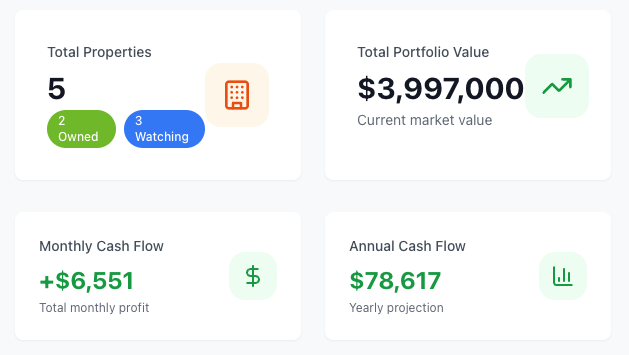
Another useful feature is the platform’s portfolio dashboard. As soon as you add a property, it tracks performance metrics such as monthly rent collected, occupancy, and net operating income. Everything updates in real time when new data enters the system, so you never have to guess how your holdings are faring. You can also set custom alerts that notify you if costs exceed certain thresholds, ensuring you have ample time to address issues without draining profits.
Like many AI-driven tools, Rental Optimizer is evolving rapidly. Expect periodic updates that incorporate new data points or refine the algorithms for accurate forecasts. Over time, these enhancements build on the platform’s core strength—letting you customize how you gather, interpret, and act on crucial real estate analytics.
Begin your predictive analytics journey
Jumping into real estate predictive analytics software might feel like a big shift, but the payoff is monumental. Whether you’re a new investor looking to build a strong rental portfolio or a seasoned pro with multiple properties, it’s a chance to upgrade your approach with transparent, data-backed insight.
To get started:
- Identify your biggest investment challenges. Do you struggle with timely data? Are you unsure if you’re paying too much for a property? Pin down these roadblocks to find the right software match.
- Take advantage of free trials. Many platforms, including Rental Optimizer, let you explore the interface and run initial projections before committing financially.
- Refine your criteria. Decide which metrics or data points matter most to you. If you’re focused on high cash flow, aim to highlight occupancy rates and monthly rental yields.
- Keep learning. As you explore analytics, you’ll uncover patterns in the market you never noticed before. Embrace these findings and adjust your buying or selling strategies accordingly.
At its core, predictive analytics is your ally for making the best decisions in a world where each cycle can be unpredictable. Instead of letting shifting markets catch you off-guard, you flip the script, harnessing artificial intelligence to anticipate changes and respond in stride. By blending your investment intuition with the power of thorough data analysis, you streamline your operations and drive consistent growth across your portfolio.
Real estate will always have elements of uncertainty, yet these software tools minimize the guesswork and maximize foresight. When you understand how to interpret the data effectively, you multiply your odds of striking lucrative deals, securing consistent rental income, and staying a step ahead of market turns. Now is the time to put real estate predictive analytics software to work, transforming each new opportunity into a well-calculated success.
Make Smarter Rental Investments & Boost Profits
Use AI to Assess Opportunities
Compare Cap Rates & Cash Flows
Optimize Rental Income
RentalOptimizer.com